sutikshan
- Environment , Geo-Tourism
- September 27, 2020
- 50 views
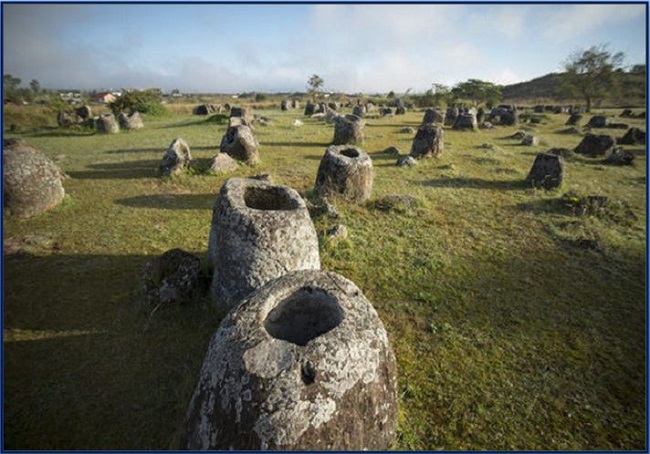
Laos’ Iconic Marvel: The Captivating Mystery of the Plain of Jars
The Plain of Jars in central Laos is one of Southeast Asia’s most mysterious and misunderstood prehistoric places. Around 90 sites scattered across miles of rolling landscape contain thousands of giant stone jars, each stone weighing several tons.
- Environment , Geo-Tourism
- September 27, 2020
- 63 views
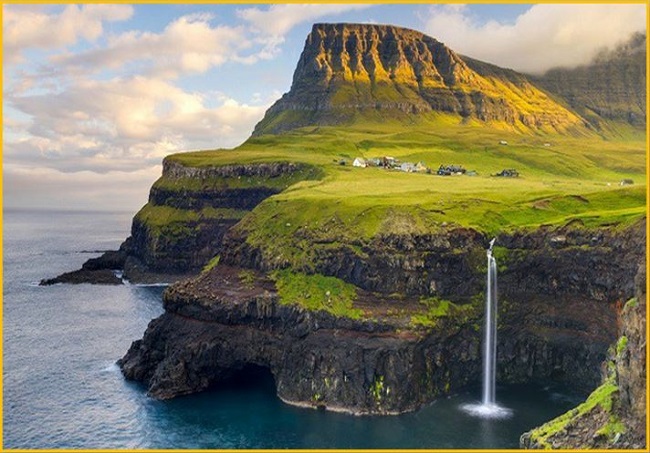
The Majestic Faroe Islands: A Volcanic Powerhouse of Natural Wonder
The Faroe Islands: A place like no other on earth, Volcanic islands with scattered basaltic terrain..’everything is unbelievable’!

- Environment , Geo-Tourism
- September 27, 2020
- 65 views
Amazon Rainforest: Explore the Richest Biodiversity on Earth
Amazon Rainforest is the largest tropical rainforest in the world. Most of the Amazon rainforest is occupied by Brazil; however, significant parts of it extend into Bolivia, Peru, Ecuador, Colombia, Venezuela, Guyana, Suriname, and French Guiana.
- Environment , Geo-Tourism , UNESCO Sites
- September 18, 2020
- 120 views
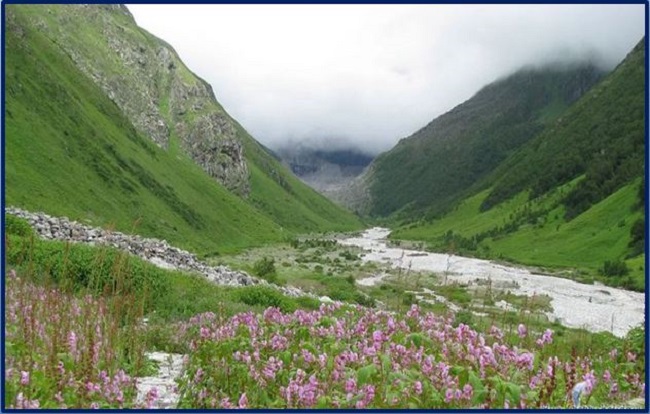
Magic of the Valley of Flowers: A Breathtaking Himalayan Trek
Valley of Flowers is a vibrant and splendid national park situated in the Chamoli district of Uttarakhand. This alluring place is famous for its endemic alpine flowers and fauna found in the transitional zone of the splendid Zanskar ranges and the eastern and western Himalayas.
- Environment , Geo-Tourism
- April 20, 2018
- 67 views
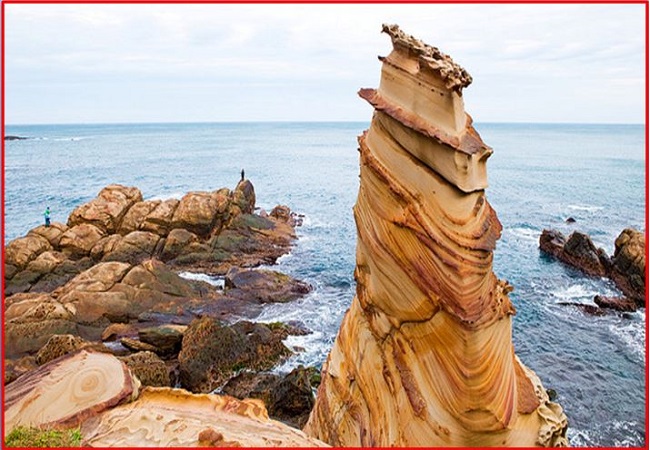
Nanya Rock Formations,Taiwan: Feature Which forced you to Forget
Nanya Rock is a fantastic rock formation located nearly at the 89 km mark on the coastal Highway No. 2 on Taiwan’s Northeast coast. It is a typical example of weathering and erosion due to wave action, culminating in an ice cream cone-shaped rock. Nanya, also known as “Nanya Peculiar Rocks,”

- Earth-Science , Environment
- April 9, 2018
- 44 views
Features Which Often seen On your Desk or Computer are no longer with us
Natural Geological features Some natural features are always stuck in our minds, the reason behind it is that this frame has often been seen around us. I would like to…
- Environment , Geo-Tourism
- April 7, 2018
- 49 views
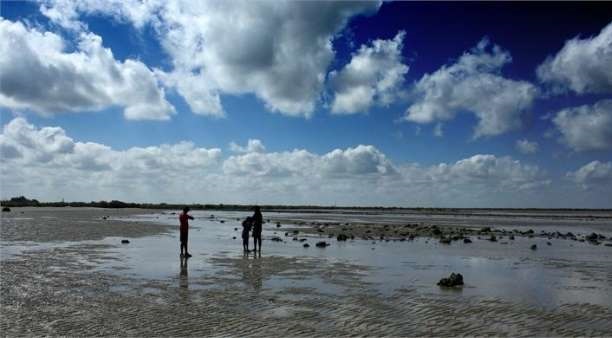
Narara Marine National Park: An Unmissable Paradise for Fossil Enthusiasts
Narara Marine National Park is a place where you can see an exotic view of the Gulf of Kuchh and explore the various marine life on sand beaches. The best way to explore the area is when the low tide occurs, and the seawater recedes nearly 7 km away and gradually creeps