sutikshan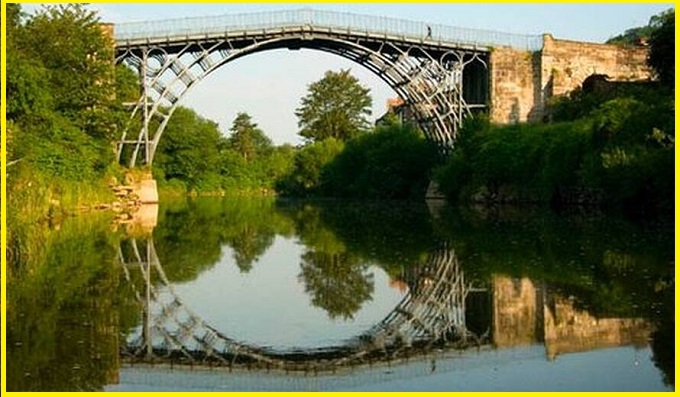
The Ironbridge Gorge
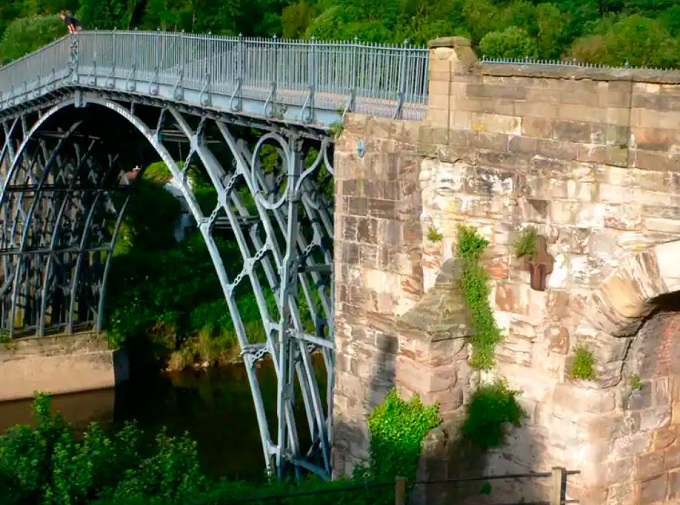
The Ironbridge Gorge in Shropshire, England, is a UNESCO World Heritage Site widely regarded as the birthplace of the Industrial Revolution. It is home to the world’s first iron bridge, completed in 1779, and a range of museums such as Blists Hill Victorian Town, which highlight 18th-century industrial life. Today, the area is a picturesque, wooded valley where natural landscapes have been carefully restored. The deep gorge was formed by glacial overflow from Lake Lapworth.
The Dramatic valley of Ironbridge Gorge is shaped by the River Severn in Shropshire, England. It originated at the end of the last Ice Age, when meltwater from the now-extinct Lake Lapworth carved deeply through the terrain. This process revealed valuable deposits of coal, iron ore, limestone, and fireclay, which later supported rapid industrial expansion during the early Industrial Revolution.
Formerly known as the Severn Gorge, it was renamed after the iconic Iron Bridge—the first iron bridge in the world—constructed in 1779. This landmark linked Broseley with Madeley and the growing industrial center of Coalbrookdale, reflecting the region’s key role in early industrial development.
Also read- Taconic Unconformity: Shocking Earth’s Missing Strata Revealed!
The gorge became a hub for industry due to two major advantages: plentiful, easily accessible raw materials for producing iron, tiles, and ceramics, and the deep, navigable River Severn, which provided an efficient route for transporting goods to the Bristol Channel and beyond.
How Ironbridge Gorge Form
The gorge channels the River Severn southward toward the Bristol Channel. It formed during the last Ice Age when the river, which once flowed north, became blocked by the Irish Sea ice sheet, creating a large lake known as Lake Lapworth. As water levels rose, the lake eventually overflowed southward, cutting through the surrounding hills. This powerful carving out of the gorge permanently redirected the River Severn along its present southward course.
World Heritage Site
The Ironbridge Gorge was declared a World Heritage Site in 1986. The Ironbridge Gorge offers a compelling overview of the evolution of a modern industrial landscape. Its well-preserved mining areas, processing industries, factories, workers’ housing, and transport systems together form a cohesive and highly informative ensemble with significant educational value.
The Ironbridge Gorge World Heritage Site spans approximately 550 hectares and is situated in Telford, about 50 km northwest of Birmingham. The site includes a 5 km stretch of the steep, mineral-rich Severn Valley, extending from just west of Ironbridge downstream to Coalport, along with two smaller adjoining valleys that reach northward to Coalbrookdale and Madeley.
The Ironbridge Gorge Museum
The Museum of the Gorge, housed in the former Severn Warehouse, is one of the ten museums operated by the Ironbridge Gorge Museum Trust. It showcases the history of Ironbridge Gorge and the nearby Coalbrookdale area in Shropshire, England.
Also read- Geotourism And Modern Geotechniques
The River Severn served as a vital transportation route, particularly before the arrival of the railways. Severn trows carried raw materials into the Gorge’s forges and transported finished products out. At that time, before the river was regulated by weirs, water levels varied greatly with the seasons. During summer, levels often dropped too low for navigation, so goods were stored in warehouses until conditions allowed safe passage once again.
How to Reach The Ironbridge Gorge
The Ironbridge Gorge in Shropshire, UK, is easily reached via the M54 motorway (Junction 4 or 6) and is approximately 5 miles from Telford Central railway station. Visitors can take regular buses (4, 2, 9, or 18) from Telford to the Gorge, and parking is available, including at the Ironbridge Gorge Museums.