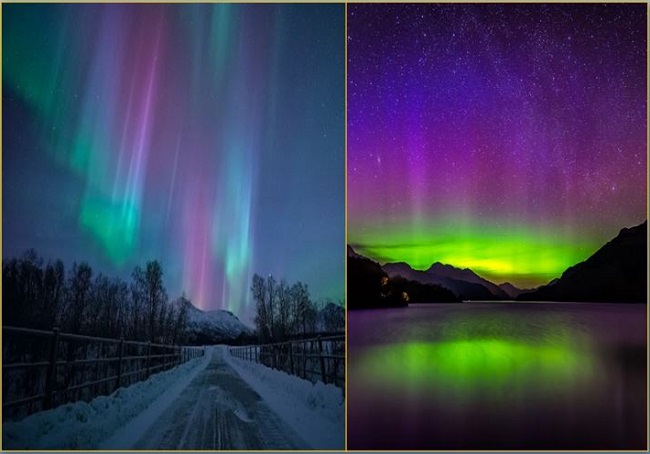
The Aurora Borealis and Aurora Australis in Iceland; the magical display of beautiful nature

Polar lights which are known as the aurora borealis or aurora australis, are a natural phenomenon found in both the northern and southern hemispheres that can be truly awesome and inspiring. Aurora borealis is also called Northern lights, and aurora australis are called southern lights. Aurora Borealis is derived from the Greek words “Aurora” meaning “sunrise” and “Boreas” meaning “wind”. Aurora borealis, or northern lights, begin high in the Earth’s atmosphere at altitudes from 60 to 250 miles.
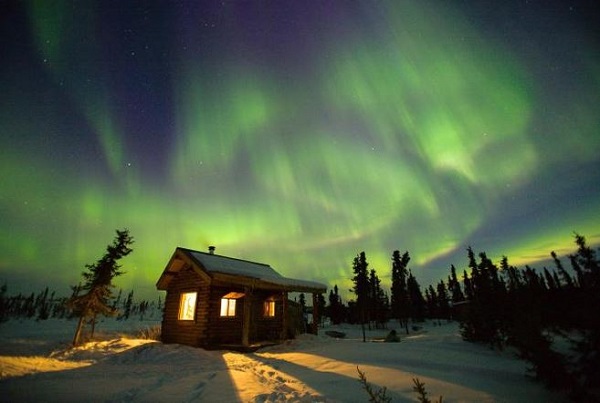
aurora borealis vs aurora Australis
Photo- nationalgeographic.com

The northern lights, or aurora borealis, offer an entrancing, dramatic, magical display that fascinates all human beings. Our sun is 93 million miles away from the earth. Great storms on the sun send charged solar particles around space. When the charged particles from the sun strike atoms and molecules in Earth’s atmosphere, they excite those atoms, causing them to light up.

Also read- The driest place on earth: ‘The McMurdo Valley’, Antarctica; Explore the place on your own risk with possible extra-terrestrial life.

Atoms consist of a central nucleus and a surrounding cloud of electrons encircling the nucleus in an orbit. When charged particles from the sun strike atoms in Earth’s atmosphere, electrons move to higher-energy orbits, further away from the nucleus. Then when an electron moves back to a lower-energy orbit, it releases a particle of light or photon.
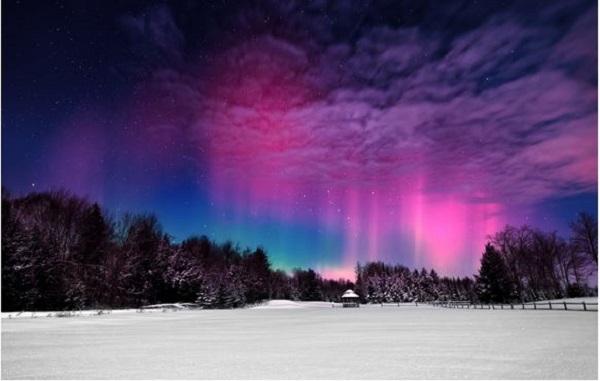
aurora borealis vs aurora Australis
Photo- earthsky.org

The aurora often appears in green color but sometimes it reflects pink, and strong displays might also have red, violet, and white colors. The lights typically can be seen far north the nations bordering the Arctic Ocean, Canada, and Alaska, Iceland, Greenland, USA, and Russia.

History of the aurora lights

For centuries, the lights have been the source of speculation, superstition, and awe. The northern lights were thought to be a war or destruction before people really understood what causes that.  As early as 1616, the astronomer Galileo Galilei used the name aurora borealis to describe them. He takes the name of the mythical Roman goddess of the dawn, Aurora, and the Greek name for a wind of the north, Boreas.’

The aurora australis, or the southern lights, occur around the South Polar Region. But, since the South Pole is more interior than the North Pole, it is often difficult to view the southern lights.
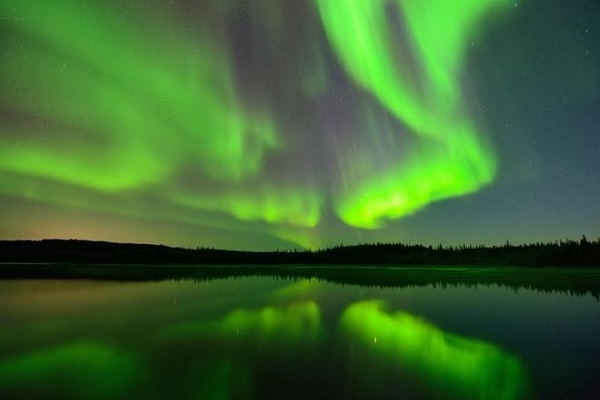
aurora borealis vs aurora Australis
Photo- nationalgeographic.com

When to see the lights

For the best view of this celestial scene, consider anywhere with a magnetic latitude above 55° and low light pollution. In the polar latitudes, auroras can appear on any dark night. The northern lights are always present, but winter is usually the best time to see them, due to lower levels of light pollution. September, October, March, and April are some of the best months to view the aurora borealis.

Related Posts

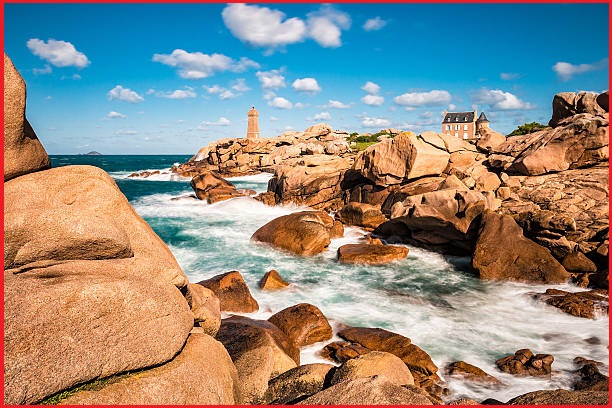
The Côte de Granite Rose: A Magical Seascape of Pink Granite Formations

The Côte de granite rose, also known as the Pink Granite Coast, is a breathtaking coastal region located in the Côtes-d’Armor area of northern France. Spanning over 30 kilometers from Plestin-les-Grèves to Louannec, it also includes the scenic town of Trégastel.

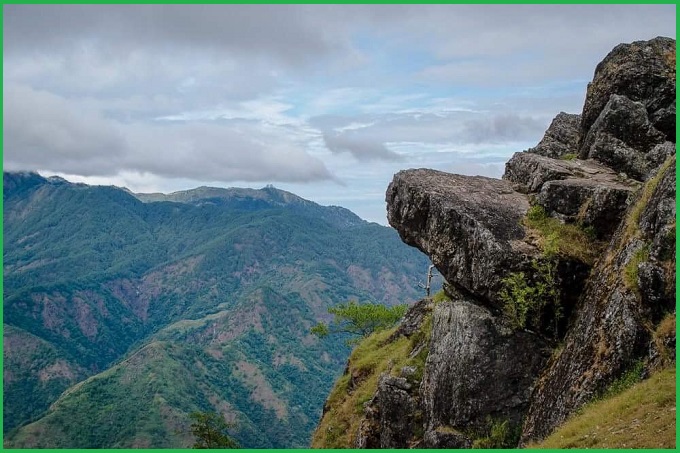
Breathtaking Mount Ulap: The Ultimate Sea of Clouds Hiking Adventure

Mount Ulap is a well-known hiking spot in Itogon, Benguet, Philippines, celebrated for its breathtaking “sea of clouds” and stunning panoramic views of the Cordillera mountain range. Rising to 1,846 meters (6,056 feet).

Leave a Reply

Your email address will not be published. Required fields are marked *

You Missed

The Côte de Granite Rose: A Magical Seascape of Pink Granite Formations

The Côte de Granite Rose: A Magical Seascape of Pink Granite Formations

Breathtaking Mount Ulap: The Ultimate Sea of Clouds Hiking Adventure

Breathtaking Mount Ulap: The Ultimate Sea of Clouds Hiking Adventure

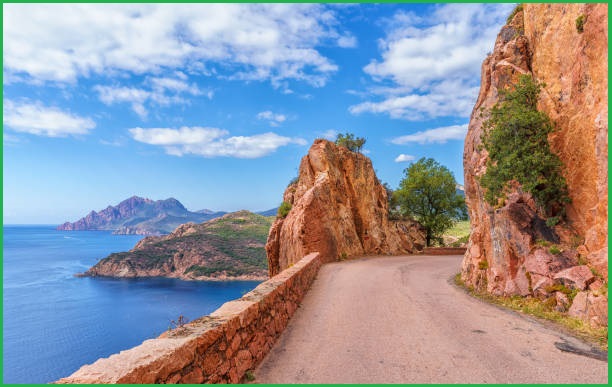
Stunning Reasons Why Calanques de Piana Is a Must-See UNESCO Jewel

Stunning Reasons Why Calanques de Piana Is a Must-See UNESCO Jewel

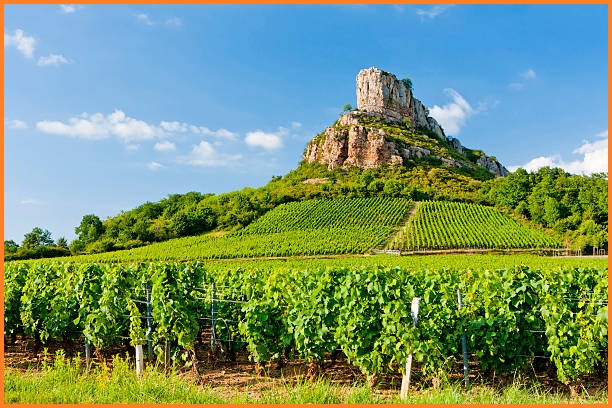
Rock of Solutré, France: Iconic and Epic Panoramic Landscapes

Rock of Solutré, France: Iconic and Epic Panoramic Landscapes

La Paz Sand Dunes Philippines: Thrilling 4×4 Rides & Epic Views

La Paz Sand Dunes Philippines: Thrilling 4×4 Rides & Epic Views

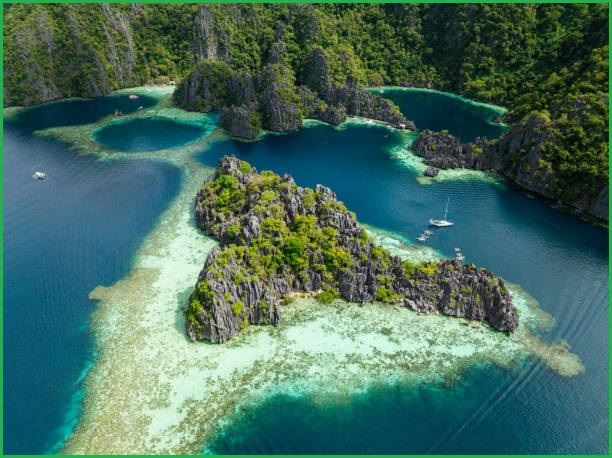
Twin Lagoon Coron: Dive Into This Crystal-Clear Paradise Adventure

Twin Lagoon Coron: Dive Into This Crystal-Clear Paradise Adventure