sutikshan
Bay of Brighstone
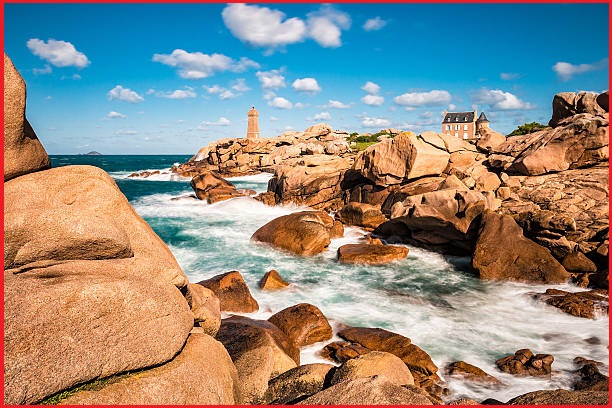
Brighstone Bay (or Brixton Bay) is a relatively undeveloped, sandy, and pebbly coastline located on the southwestern coast of the Isle of Wight, near the village of Brighstone. Known for its rustic charm, it is a popular spot for finding fossils, offering a quieter alternative to nearby, more crowded beaches.
Isle of Wight, an island, lies off the south coast of England. The island is separated from the mainland by a deep strait known as The Solent. The Isle of Wight is diamond-shaped and extends 36 km from east to west and 22 km from north to south. The administrative center of the island is Newport.
Island of Dinosaurs
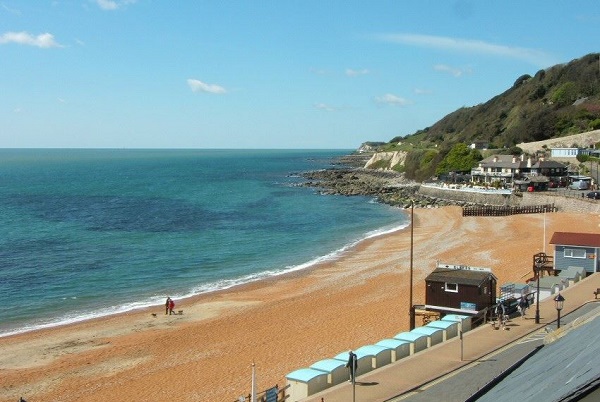
The Isle of Wight is known as one of the richest islands for Dinosaur discovery in Europe. For these discoveries, the location earned it the title “Dinosaur Island”. There is a variety of dinosaur attractions and activities going on the Isle of Wight, with some fantastic research opportunities for dinosaur and fossil enthusiasts. In June 2019, the whole island was designated a UNESCO Biosphere Reserve.
Geology
Brighstone Bay is a bay on the southwest coast of the Isle of Wight. It is located to the south and west of the village of Brighstone, and that’s where it takes its name. It faces southwest towards the English Channel; Brighstone Bay is about 7 km. long and extends from Hanover to Atherfield.
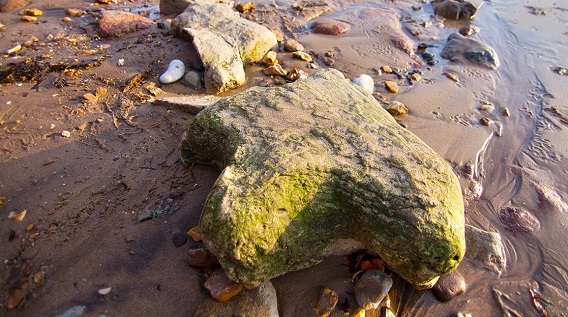
The rock type exposed in the Brighstone and Isle of Wight area is of early Cretaceous, around 127 million years ago, to the middle of the Palaeogene, around 30 million years ago. A Wealden stratum is a notable area for collecting dinosaur bones. Under the Wealden Group, there are two formations exposed. The upper part of the Wessex Formation and the overlying Vectis Formation.
Also read- These are the Die-Hard Tourist places in Nalanda and Pawapuri, Bihar Tourism
The Wessex Formation consists of red mudstones with some interbedded sandstones. The Wessex Formation is internationally famous for its included saurian remains. The Vectis Formation consists of grey mudstones, deposited in shallow water lacustrine to the lagoonal environment, with some evidence of marine influence.
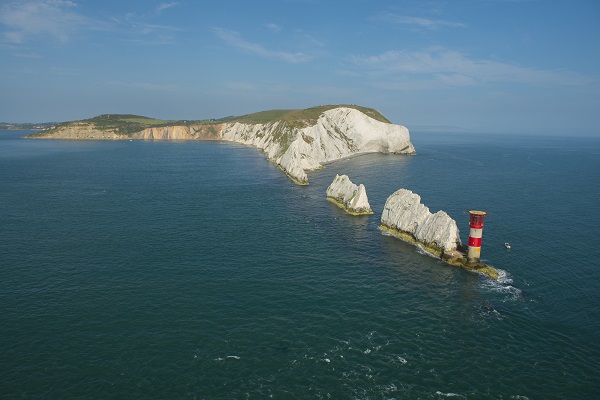
Brighstone Bay has some of the most picturesque scenery on the island. Grange Farm, Brighstone Bay, is an Area of amazing Natural Beauty and a special scientific interest site. The whole area is ideal for cycling, fishing, fossil hunting, surfing, paragliding, stargazing, wildlife spotting, and is a walker’s paradise. The site can be reached by Brighstone beach, which is part of the fossil-rich coastline where many discoveries of dinosaur bones have been made.
Also read- Geotourism And Modern Geotechniques
The Isle of Wight has the highest number of award-winning beaches. Beaches like Shanklin Beach and south-facing Ventnor Beach, which is dotted with vintage beach huts, are managed to the highest standards. Dinosaur remains and fossils can be seen in areas like Compton Bay and Yaverland Beach. The Isle of Wight can be reached via flights from the major London airports at Heathrow and Gatwick.
How to Reach the Island of Dinosaurs
Dinosaur Isle Museum, located at Culver Parade, Sandown (PO36 8QA), is the focal point for dinosaur fossils on the Isle of Wight. Reach the island via ferries from Portsmouth, Lymington, or Southampton, then travel to Sandown via the Island Line train or bus services. It is accessible year-round for fossil exhibits and coastal walks.
Source- wightlink.co.in Unesco, BBC