sutikshan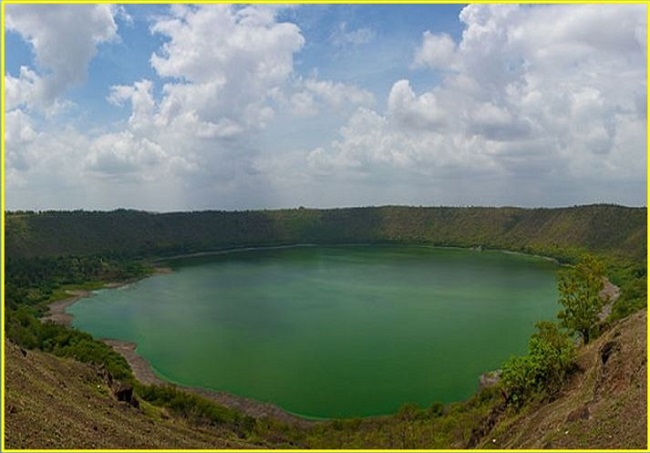
Lonar Crater
Lonar Crater is located in India’s west-central state of Maharashtra in Buldhana district. The oval-shaped Lonar crater, formed after a meteorite hit the Earth some 52,000 years ago, is a popular tourist destination in Maharashtra. It is thought that a meteorite traveling at about 11 miles per second slammed into the Deccan Plateau and the collision formed Lonar Crater. It is the largest and most unique basalt impact crater in the world.
Lonar Crater Lake
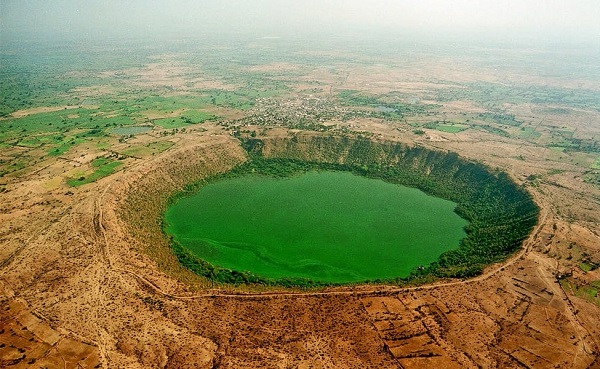
Lonar Crater Lake, a unique saline and soda lake and a notified National Geo-heritage Monument in Maharashtra, India, is one of only four known hyper-velocity impact craters formed in basaltic rock globally. The lake was created by a meteorite strike during the Pleistocene Epoch at the place itself, Lonar Crater. This remarkable crater measures 1.8 kilometers in diameter, with the lake itself spanning 1.2 kilometers and lying 137 meters below the rim.
Geological History of Lonar Crater Lake
The Lonar Crater was initially thought to have a volcanic origin due to its location in volcanic basalt of the Deccan Plateau, but scientists confirmed the presence of maskelynite, naturally occurring glass that is only formed by extremely high-velocity impacts. Lonar is the only “fresh” impact structure in basalt on Earth, making it an important analog for impact craters on the surface of the Moon.
The crater has a circumference of about 8 kilometers at the top, and is both saline and alkaline. Perennial streams and springs feed into the lake. The lake has a horde of algae and plankton species that make its unusual ecosystem and give the water its vibrant color. Most of these craters are eroded naturally; some manage to remain in the form of a geological scar of deformed and crushed bedrock.
The Lonar crater was first discovered by J. E. Alexander, a British Officer. One can find mention of the existence of the crater in the holy scriptures of the Padma Puran, the Skanda Puran, and the Aina-i-Akbari.
Many organizations, like the United States Geological Survey in America and the Geological Society of India, and the Physical Research Laboratory of India, have done a lot of research work on this lake. Research says that the crater on which the lake sits is oval in shape. It indicates that the comet or asteroid hit the spot at an angle of 35 to 40 degrees.
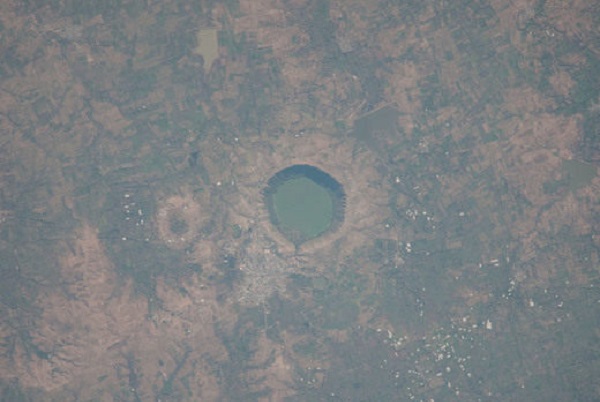
Apart from this, the outer region of the lake is the neutral region that has a pH level of 7. The lake’s inner region is the alkaline part that has a pH level of 11. Both regions are unique and consist of diverse flora and fauna.
Also read- Chambal Ravines: Masterpiece of Nature, The Badland Topography
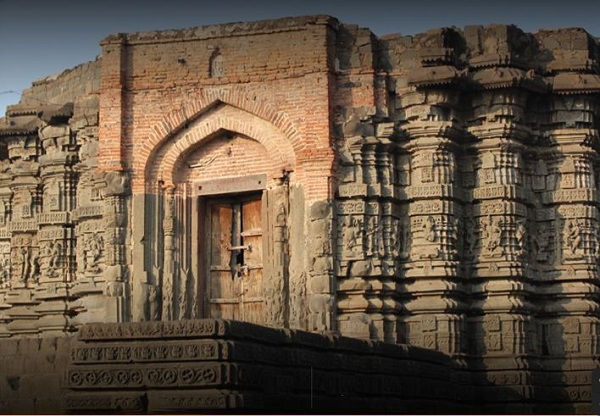
The forest-fringed lake is a wildlife sanctuary with a unique ecology that is vastly different from the surrounding flat landscape. Lonar Lake is rimmed by lush forests and old temples. This ancient temple of Daitya Sudan attracts pilgrims from all over the country and is worth a visit. The temple is dedicated to Lord Vishnu and belongs to the Chaitya Dynasty that ruled the region between the 6th and 12th centuries AD.
Lonar Crater Lake Trek
Embark on an awe-inspiring journey at Lonar Crater Lake! You can choose between two captivating treks:
A descent into the crater floor for unparalleled opportunities in birdwatching and photography of the unique saline waters.
The longer Parikrama trek circles the crater rim, offering panoramic vistas of the lake and the ancient temples nestled nearby.
The optimal time to undertake this adventure is between June and September, when the scenery is at its most vibrant. The full Parikrama typically requires about four hours and is best enjoyed during the cooler hours of the day to maximize your enjoyment of this geological marvel.
Read- Geotourism And Modern Geotechniques
How to Reach Lonar Crater
Accessing the Lonar Crater is straightforward via air, rail, or road; the primary gateways are Aurangabad Airport (approximately 140 km) and Jalna railway station (about 90 km), requiring onward travel by taxi, bus, or private vehicle to complete the final segment of your journey.
Source- atlasobscura.com, researchgate.com