sutikshan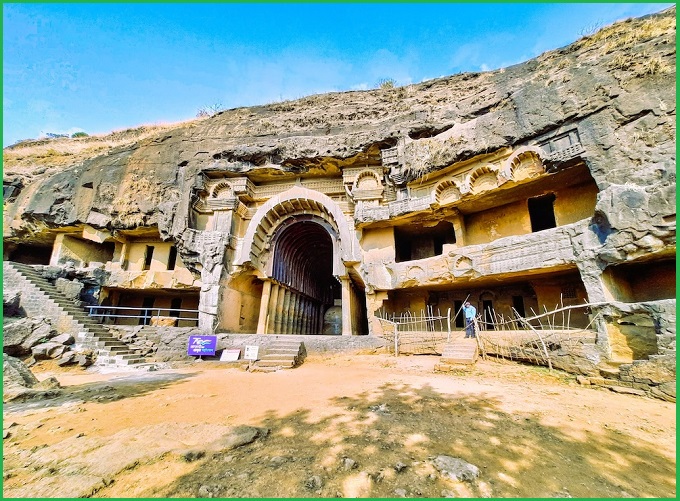
The Bhaja Caves
The Bhaja Caves are a collection of 22 rock-cut caves dating to the 2nd century BC, situated near Pune, India, just off the Mumbai–Pune Expressway. Perched about 400 feet above Bhaja village, these caves lie along a significant ancient trade route that once connected the Arabian Sea to the Deccan Plateau, marking the transition between North and South India. They are known for their beautiful carvings and historical importance. These caves are among the earliest Buddhist rock-cut structures in India.
The Architecture
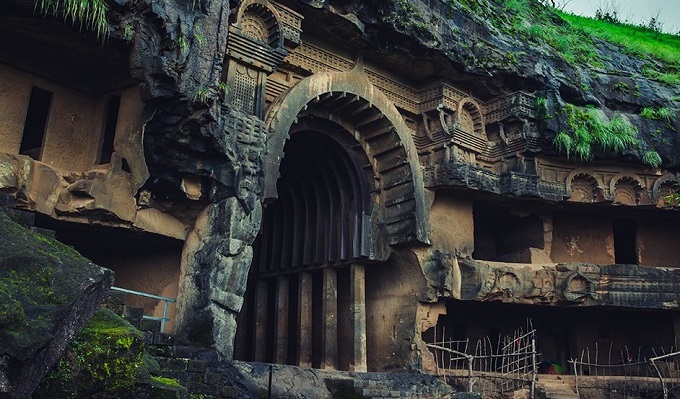
Dating back to the 2nd century BCE, the Bhaja Caves comprise a group of 22 rock-cut chambers carved into the rugged hills of Maharashtra. They represent an excellent example of early Buddhist architecture and were mainly used by monks for meditation and residence. The most prominent structure is a chaitya (prayer hall), which houses a large central stupa symbolizing the presence of the Buddha. This hall is especially remarkable for its carved stone beams that imitate wooden construction, reflecting a distinctive architectural style.
The remaining caves are primarily viharas (monasteries), featuring simple and functional layouts with small cells that served as living quarters for monks. Some caves also include verandas adorned with intricate relief carvings illustrating scenes from Buddhist traditions. The architectural design of the Bhaja Caves later influenced the development of rock-cut cave temples across India, making them a significant site for studying the evolution of ancient Indian cave architecture.
Painting
Although the Bhaja Caves are not widely known for paintings, they are renowned for their intricate sculptures and carvings. The walls, pillars, and verandas are richly decorated with detailed reliefs depicting human figures, animals, and scenes from everyday life. One of the most striking features is the series of carvings showing dancers and musicians, reflecting the artistic and cultural vibrancy of that period and highlighting the significance of music and dance in early Buddhist society.
Among the notable sculptures is an impressive relief of Surya, the Sun God, portrayed standing with his chariot and horses. In addition, figures of female deities and warriors appear throughout the caves, representing both religious and secular themes.
Best time to visit the Bhaja Caves
The ideal time to visit the Bhaja Caves is from October to March, when the weather is cool and pleasant, making exploration more comfortable. During these months, temperatures typically range between 15°C and 30°C, allowing visitors to walk around the caves and enjoy the scenic surroundings without excessive heat. The winter season also brings clear skies and refreshing breezes, enhancing the experience of viewing the ancient rock-cut architecture and intricate carvings.
Also read-Ward’s Lake: Shillong’s Scenic Retreat
Nearby Attraction
The Bedse Caves
The Bedse Caves, another hidden gem nearby, offer a quieter yet equally fascinating glimpse into ancient Buddhist rock-cut architecture. Less crowded than other sites, these caves feature well-preserved stupas and meditation halls, creating a peaceful and immersive atmosphere for visitors. Their secluded setting enhances their appeal, making them a perfect escape for those in search of calm and solitude.
Pawna Lake
For nature enthusiasts, Pawna Lake is an unmissable destination. Surrounded by gentle hills, this serene reservoir is ideal for camping, boating, and relaxing getaways. Its tranquil waters and picturesque scenery attract both adventure seekers and those simply looking to unwind in nature.
Lonavala and Khandala
Close by, the hill stations of Lonavala and Khandala offer a variety of attractions. Popular viewpoints like Tiger’s Leap and Duke’s Nose provide sweeping vistas of the Western Ghats, especially stunning during sunrise and sunset. Lonavala’s lively markets further enhance the experience, where visitors can enjoy local treats such as chikki and other traditional snacks.
Rajmachi Fort
For those seeking adventure, the trek to Rajmachi Fort offers a rewarding blend of history and natural beauty. The trail passes through lush forests and scenic terrain before reaching the fort, which rewards trekkers with breathtaking panoramic views. The journey becomes even more captivating during the monsoon, when cascading waterfalls and misty landscapes transform the surroundings.
Also read- Geotourism And Modern Geotechniques
Lohagad Fort
For trekking enthusiasts, the climb to Lohagad Fort is both thrilling and rewarding. Rising to an elevation of around 1,033 meters, the fort showcases sweeping panoramic views, particularly during the monsoon when the surroundings turn into a vibrant green landscape. Nearby, Visapur Fort offers another trekking option, providing a more peaceful yet equally enriching experience with its ancient ruins and scenic vistas.