sutikshan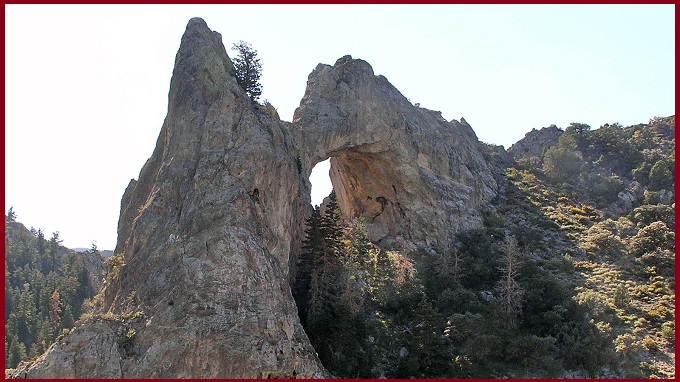
Lexington Arch
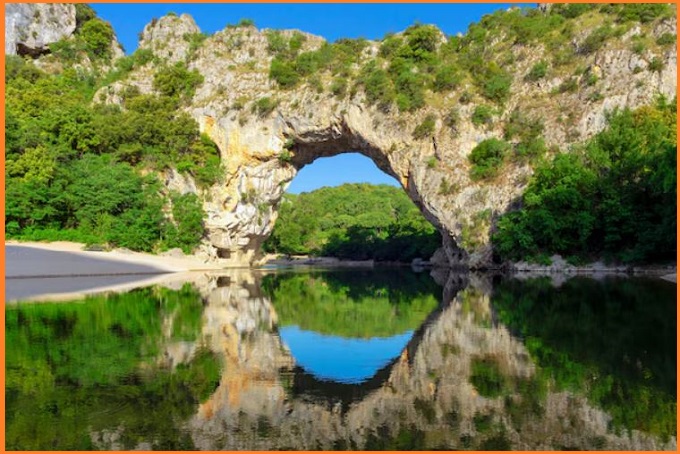
Lexington Arch is a spectacular natural limestone arch located in the Great Basin National Park, in the state of Nevada. It is considered one of the largest natural limestone arches in the United States. Lexington Arch is a natural bridge that draws visitors to one of the most remote areas of Great Basin National Park, raising intriguing geological questions. Believed to be a remnant of an ancient cave system, Lexington Arch stands as one of the park’s most remarkable natural features, unmatched elsewhere in the park.
Rising prominently above the floor of Lexington Canyon, this impressive natural arch was formed by the slow and persistent effects of weathering over many centuries. One remarkable feature of the Lexington Arch is that it is carved from limestone, whereas most natural arches in the western United States are formed in sandstone. Because of its limestone composition, scientists believe the arch may once have been part of an ancient cave system. Evidence supporting this idea comes from the discovery of flowstone—a smooth, glossy mineral deposit typically found in caves—at the base of the arch opening.
Origin And Structure
There is also the possibility that the Lexington Arch may actually be a natural bridge rather than a typical arch. The difference lies in how they form: arches generally develop through weathering processes such as wind, ice, and chemical breakdown of rock, while the erosive action of flowing water creates natural bridges. Long ago, when Lexington Canyon was not as deeply carved as it is today, the waters of Lexington Creek may have flowed through a cave within the canyon wall. Over time, the stream could have enlarged this passage, eventually forming the opening that is now known as Lexington Arch. If this theory is correct, the feature would technically be classified as a natural bridge.
Also read- Kynance Cove: Where One Can Walk Across Earth’s Moho Boundary
Regardless of its exact origin, natural forces continue to shape the arch today. Limestone is especially susceptible to being dissolved by rainwater, and the combined effects of rain, freezing and thawing, heat, and cold gradually sculpt the rock. Over the centuries, these processes will continue to modify the Lexington Arch, slowly transforming it into new and unique forms.
-
Height: about 23 m
-
Span: about 26 m
-
Rock type: Limestone
-
Location: high in the Snake Range
Lexington Arch, Great Basin National Park
Lexington Arch is one of the most remarkable geological features in Great Basin National Park, located in the rugged Snake Range of Nevada. Rising high above the floor of Lexington Canyon, this massive natural opening is notable because it is carved from limestone, a rock type in which large arches are relatively rare.
Also Read- Geotourism And Modern Geotechniques
Geological Significance
Most natural arches in the western United States—such as those found in Arches National Park—are formed in sandstone. Lexington Arch, however, was developed in limestone, which makes it geologically unusual. Many geologists believe the arch may be the remnant of an ancient cave passage. Evidence supporting this theory includes the presence of flowstone, a smooth mineral deposit typically found inside caves, discovered near the base of the arch.
How to Reach the Lexington Arch
From the Great Basin Visitor Center in Baker, drive south on Nevada State Route 487 for about 17.2 km. Along this route, you will cross the state boundary into Utah, where the highway becomes Utah State Route 21. Continue driving through the town of Garrison, and shortly afterward, you will see Pruess Lake on your right. Just south of the lake, watch for the first dirt road on the right marked with a sign for Lexington Arch, and turn onto this road.