sutikshan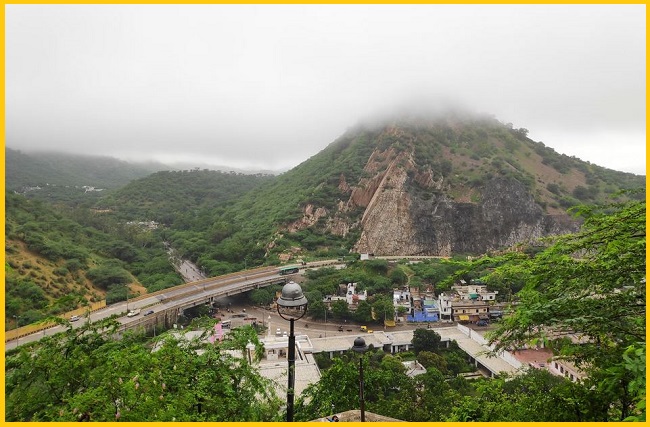
Rajasthan Heritage Rock
Rajasthan, the largest state in India, is known for its rich cultural heritage, but it also boasts a diverse geological landscape with a variety of heritage sites. One prominent rock formation in Rajasthan is the Aravalli Range, which is one of the oldest mountain ranges in the world. It spans across the state and is characterized by its rugged terrain and unique rock formations.
Additionally, Rajasthan is home to various sedimentary rock formations, including sandstone, limestone, and shale, which have been instrumental in the formation of several iconic landmarks and structures, such as the forts and palaces in cities like Jaipur, Jodhpur, and Udaipur. The exquisite architecture of these structures often highlights the use of local rocks and stones, showcasing the state’s geological richness. Here are some of the Heritage rock lists of Rajasthan.
Makrana marble
Makrana marble is a type of high-quality white marble that is mined in the town of Makrana in the Nagaur district of Rajasthan. It is renowned for its pristine white color and has been used for centuries in the construction of various historical and architectural landmarks, including the iconic Taj Mahal in Agra. Makrana marble is known for its fine texture, high luster, and excellent finish, making it a popular choice for sculptures, architectural purposes, and interior decoration.
One of the most significant attributes of Makrana marble is its purity and low water absorption, which contributes to its durability and suitability for a wide range of applications. The mining of Makrana marble has a long history that dates back to several centuries, and the marble continues to be in high demand globally for its aesthetic appeal and quality.
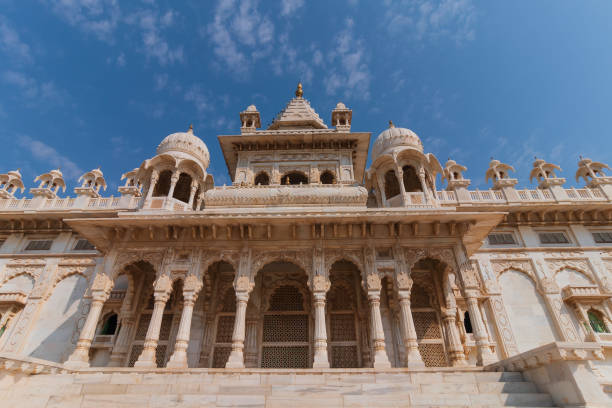
While Makrana marble is predominantly white, it may also have variations in shades, veining patterns, and textures, making each piece unique. Its popularity in the construction and design industries has cemented its reputation as one of the most sought-after marbles in the world, adding to the rich geological heritage of Rajasthan.
Deccan Basalt
Deccan Basalt refers to the vast expanse of basalt rock formations that cover a significant portion of the Deccan Plateau in India. The Deccan Plateau is a large, elevated landmass located in the southern part of the Indian subcontinent. The basaltic rock formations of the Deccan Plateau were created by successive volcanic eruptions that occurred around 60-68 million years ago during the late Cretaceous and early Eocene periods.
This extensive basaltic rock formation covers an area of approximately 500,000 square kilometers, encompassing regions of Maharashtra, Gujarat, Madhya Pradesh, and some parts of Rajasthan. The Deccan Basalt is renowned for its thickness, which, in some areas, can exceed 2,000 meters.
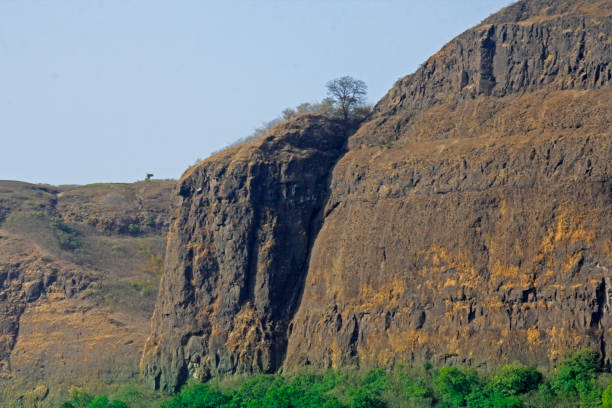
These basalt formations have played a crucial role in shaping the topography of the Deccan Plateau, contributing to the characteristic rugged terrain and creating several noteworthy geological features such as cliffs, ridges, and step-like landforms.
also read- history and Architectural Splendors of Bundi Rajasthan
The Deccan Basalt is also known for its archaeological significance, as it hosts numerous ancient cave temples, such as the famous Ellora and Elephanta Caves, which are UNESCO World Heritage Sites. Furthermore, the basaltic rock has been used extensively in local construction, contributing to the distinct architectural styles found in the Deccan region.
Jaisalmer limestone
Jaisalmer limestone is a type of sedimentary rock found in the Jaisalmer district of the state of Rajasthan. It is renowned for its characteristic yellowish color and is commonly referred to as “yellow limestone” or “Jaisalmer stone.” This limestone is known for its durability, workability, and aesthetic appeal, making it a popular choice for a variety of construction and architectural purposes.
Jaisalmer limestone has been used for centuries in the construction of various structures, including forts, palaces, temples, and havelis (traditional Indian mansions) in the region. The iconic Jaisalmer Fort, also known as Sonar Quila (Golden Fort), is a notable example of the use of Jaisalmer limestone in historical architecture. The stone’s yellow hue gives the structures a distinct and vibrant appearance, adding to the cultural and architectural significance of the region.
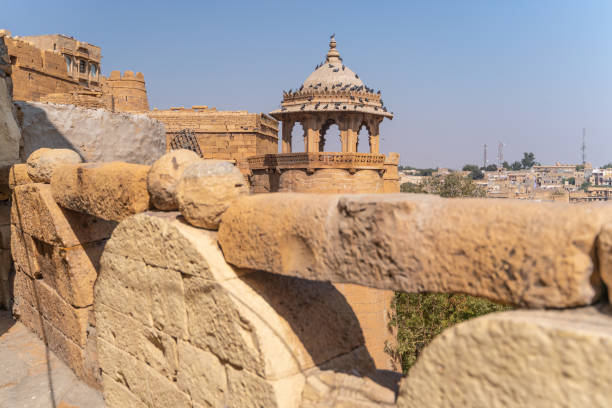
Apart from its use in construction, Jaisalmer limestone is also utilized for interior and exterior decor, flooring, and other decorative purposes. Its unique texture, color variations, and ease of carving make it a preferred choice for intricate designs and ornamental work.
Given its widespread use and distinctive characteristics, Jaisalmer limestone has become an integral part of the cultural and architectural heritage of Rajasthan, contributing to the state’s rich geological and historical legacy.
Alwar quartzite
Alwar quartzite is a type of quartzite rock found in the Alwar district of the state of Rajasthan. Quartzite is a metamorphic rock that is formed from sandstone through the process of high heat and pressure. Alwar quartzite is known for its hardness, strength, and durability, making it suitable for a variety of construction and architectural applications.
The rock’s characteristic features include a range of colors, including shades of white, pink, and brown, often with natural patterns and textures that add to its aesthetic appeal. Alwar quartzite is commonly used in the construction of buildings, pavements, and various interior and exterior design elements.
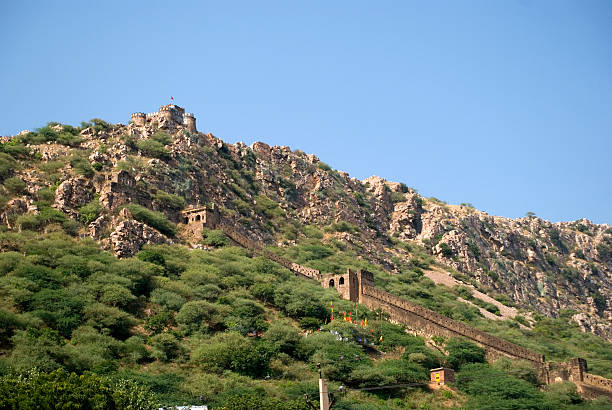
Due to its durability and resistance to weathering, Alwar quartzite is also favored for use in outdoor applications, including paving, landscaping, and cladding. Its natural strength and resistance to erosion make it suitable for both residential and commercial projects that require long-lasting and low-maintenance materials.
Rajasthan Heritage Rock Alwar quartzite’s availability and aesthetic versatility have made it a popular choice in the construction and design industries, contributing to the cultural and architectural heritage of the region.
.