Paluxy River Tracks: The Dinosaurs and Human Footprints Mystery Revealed

Paluxy River Tracks, Texas

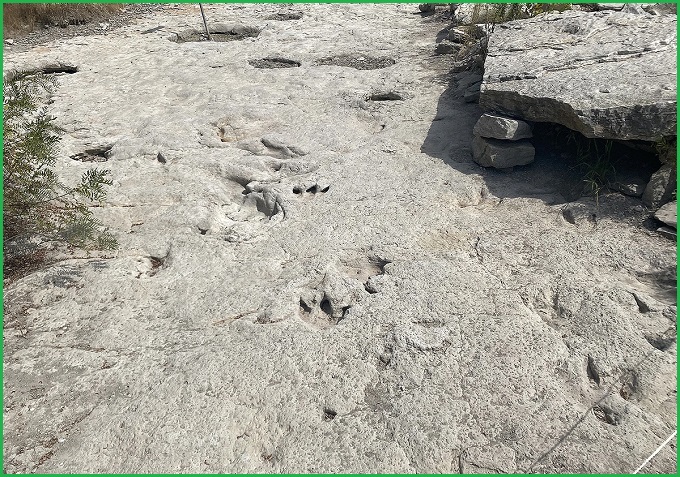
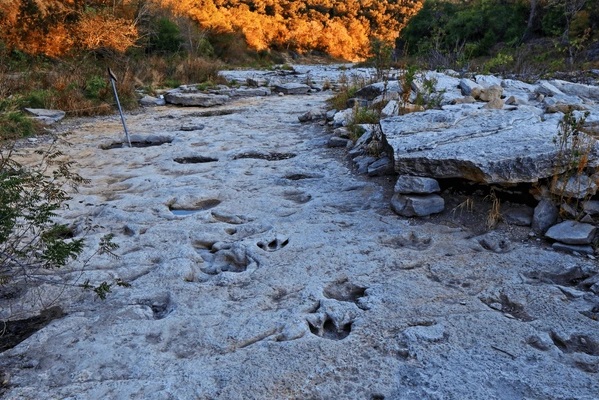
Paluxy River Tracks located in Dinosaur Valley State Park near Glen Rose, Texas, the tracks along the Paluxy River are world-famous fossilized dinosaur footprints dating back about 113 million years to the Cretaceous period. Preserved in limestone riverbeds, they mainly include large, three-toed theropod tracks—attributed to Acrocanthosaurus—along with massive, elephant-like sauropod prints linked to Sauroposeidon. The Track is discovered in 1908 by a local youth, with major scientific excavations occurring in 1938 and 1940.

Paluxy River and Dinosaur Tracks

The Paluxy River also known as Paluxy Creek—is a waterway in the U.S. state of Texas and serves as a tributary of the Brazos River. The Paluxy River is best known for the numerous dinosaur footprints preserved in its riverbed near Glen Rose, within Dinosaur Valley State Park. The river gained fame due to the widespread attention after locals reported finding both dinosaur and human footprints in the same rock layers of the Glen Rose Formation, a claim that was widely circulated as evidence challenging the geological time scale and supporting young-Earth creation. However, later scientific studies concluded that the supposed human footprints were actually elongated dinosaur tracks, natural river erosion marks, or deliberate hoaxes.
Paluxy River Tracks

A set of fossilized tracks showing a herd of sauropods alongside at least one theropod that appears to be following them. These remarkably well-preserved footprints were carefully excavated from the riverbed by A team, removed slab by slab, and later reconstructed. Parts of the trackway are now displayed at the Texas Science and Natural History Museum in Austin and the American Museum of Natural History in New York.

Also read- Roche-A-Cri Mound: Wisconsin’s Breathtaking Cliffside Treasure

Human Footprints

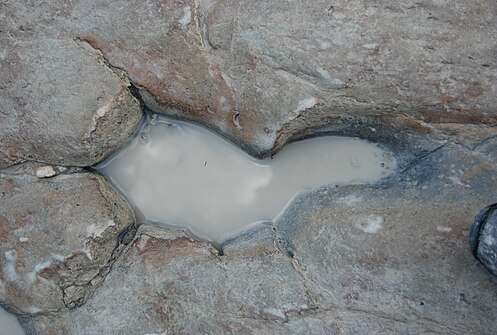
Some Unusual, indistinct, and elongated tracks in the area were long referred by locals as “human tracks” or “moccasin tracks.” These footprint looks like same as human foot make another concept that a mythical giant humans living alongside dinosaurs that produced other tracks on the same surfaces. This evidence challenging the geological time scale as early man evidence is found 80,000 year back and this track age is Crataceous nearly 66-145 million year. These trackways evidence for Human foortprint is against the geological time scale, that the reason the scientific consensus holds that the supposed human footprints were either misinterpreted dinosaur tracks and were actually elongated dinosaur tracks, natural river erosion marks, or deliberate hoaxes.

Paluxy River Tracks

Things to Do in Paluxy River Tracks

At Dinosaur Valley State Park, one can discover ancient dinosaur tracks, camp under the stars, enjoy picnicking, hike or mountain bike along scenic trails, swim, fish, and paddle in the river, observe wildlife, search for geocaches, go horseback riding, or visit the interpretive center.

Stay overnight at one of the park’s campsites and explore over 20 miles of trails. The park store offers souvenirs, camping and fishing gear, books, and more to enhance your visit.

Finding dinosaur tracks is simple—head down to the river, where they are preserved in the riverbed. Keep in mind that water levels and weather conditions can affect their visibility, and some trails may be temporarily closed. It’s a good idea to check for current updates before your visit. You can also download trail maps to your GPS-enabled smartphone and explore additional information through the park’s nature resources.

Also read- Geotourism And Modern Geotechniques

How To Reach Paluxy River Tracks

To reach the Paluxy River tracks, visit Dinosaur Valley State Park, 1629 Park Road 59, Glen Rose, Texas. Access the main tracks from the Main Track Site (near the playground) or the Ballroom Site by hiking the Paluxy River Trail. The tracks are in the riverbed, best viewed during low water levels.


Related Posts

Roche-A-Cri Mound: Wisconsin’s Breathtaking Cliffside Treasure

Roche-A-Cri Mound is a striking 91 m bluff, a resistant core left behind by a much larger expanse of Cambrian sandstone that has largely eroded over time. Between about 19,000 and 15,000 years ago, it stood as an island above Glacial Lake Wisconsin.

Beavertail Point, Rhode Island: A Breathtaking Dramatic Cliffs and Scenic Ocean

Beavertail Point in Jamestown, Rhode Island, is a scenic coastal destination renowned for its panoramic Narragansett Bay views, rocky cliffs, and the historic Beavertail Lighthouse. Situated at the southern tip of Conanicut Island, it features a 153-acre state park

Leave a Reply

Your email address will not be published. Required fields are marked *

You Missed

Paluxy River Tracks: The Dinosaurs and Human Footprints Mystery Revealed

Paluxy River Tracks: The Dinosaurs and Human Footprints Mystery Revealed

Roche-A-Cri Mound: Wisconsin’s Breathtaking Cliffside Treasure

Roche-A-Cri Mound: Wisconsin’s Breathtaking Cliffside Treasure

Beavertail Point, Rhode Island: A Breathtaking Dramatic Cliffs and Scenic Ocean

Beavertail Point, Rhode Island: A Breathtaking Dramatic Cliffs and Scenic Ocean

Valmeyer Anticline: A Rare and Fascinating Geologic Treasure

Valmeyer Anticline: A Rare and Fascinating Geologic Treasure

Discover the Powerful Thomson Dikes: A Rare Diabase Intrusion System

Discover the Powerful Thomson Dikes: A Rare Diabase Intrusion System

Nonesuch Potholes, Michigan: An Unforgettable Natural Phenomenon