sutikshan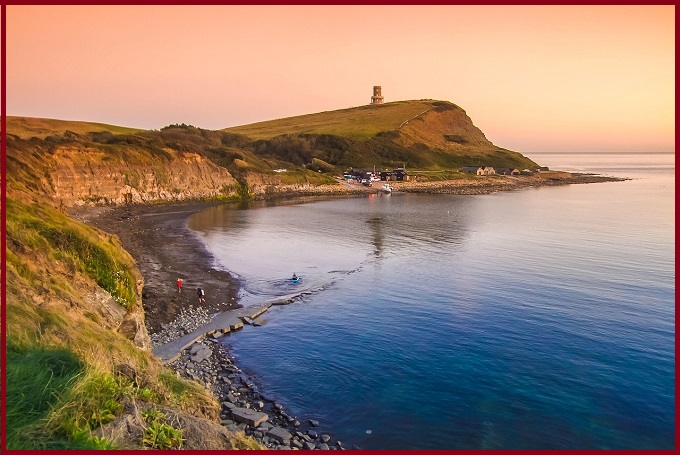
Kimmeridge Bay
Kimmeridge Bay is located on the Isle of Purbeck, a peninsula along the English Channel in Dorset, England, near the village of Kimmeridge. The area is famous for its rich fossil heritage, showcased at The Etches Collection in the village, which displays fossils collected by Steve Etches over 30 years. The bay is a popular coastal destination for tourists, with the Kimmeridge Ledges to the east offering flat clay beds where additional fossils can be found.
The beach at Kimmeridge Bay is primarily composed of rocky shale, interspersed with large limestone ledges, making it a site of significant geological interest. Kimmeridge Bay is also part of a Special Area of Marine Conservation, featuring a summer snorkel trail that guides swimmers through the rich marine life in the shallow waters.
Kimmeridge Bay, located on Dorset’s Jurassic Coast, is renowned for safe swimming, rock pooling, canoeing, windsurfing, and a variety of water sports. The bay boasts excellent water clarity, making it ideal for snorkelers and divers. Surfers can enjoy Dorset’s premier reef break at Broadbench, where waves can reach up to 15 feet, along with other surfable spots throughout the K-Bay area.
UNESCO Site
Kimmeridge Bay is part of the Jurassic Coast, a UNESCO World Heritage Site, and lies within a designated Site of Special Scientific Interest and the Dorset National Landscape. The area is the type locality for Kimmeridge Clay, the geological formation that dominates the region. The Formation features bands of bituminous shale. An oil well has been in operation on the bay’s shore since 1959. The bay itself is roughly semi-circular, facing southwest, and is backed by low cliffs of Kimmeridge Clay. At the base of the cliffs lies an extensive wave-cut platform and rocky shore, complete with rock pools that support a diverse ecology. Kimmeridge Bay is popular with surfers and divers alike.
Also read- Delaware Water Gap Adventure: Unveil a Spectacular Scenic Escape
Geology
Kimmeridge Bay is renowned worldwide for its unique geology. The area’s bedrock formed during the Late Jurassic epoch and is frequently overlain by superficial Quaternary head deposits. Most of the bedrock is Kimmeridge Clay, except the summit of Smedmore Hill, which is composed of Portland Stone.
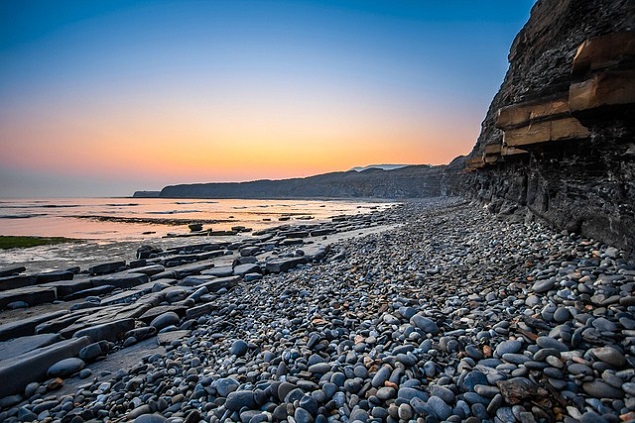
Within the Kimmeridge Clay, bands of bituminous shale and dolomite form flat ledges in Kimmeridge Bay that are exposed at low tide. The area lends its name to the Kimmeridgian stage of the Jurassic period, highlighting the exceptional quality of its cliffs and fossil record. Kimmeridge also serves as the type locality for the Jurassic-age Kimmeridge Clay formation, which is widespread across southern England and provides a significant source rock for hydrocarbons in the Wessex and North Sea Basins.
Also read- Geotourism And Modern Geotechniques
Oil Basin
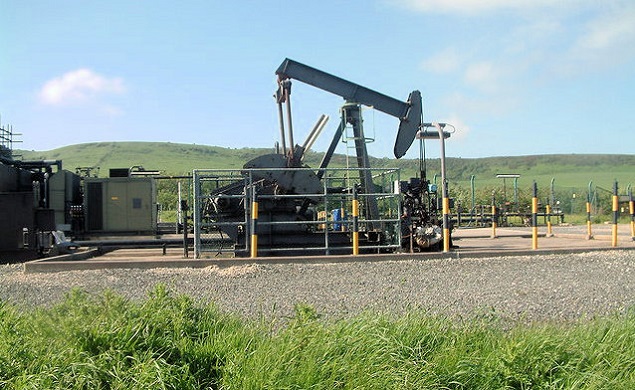
The Kimmeridge Oil Field lies northwest of Kimmeridge Bay. On the cliff to the west of the village stands the Perenco “nodding donkey” oil pump, which has been operating continuously since the late 1950s. It is the oldest working oil pump in the UK. The well currently produces around 65 barrels per day from Middle Jurassic strata located approximately 350 m beneath the cliff. Its longevity is due to tapping a network of interconnected reserves, although production has been gradually declining over the years. The extracted oil is transported by tanker to the Perenco facility at Wytch Farm, from where it is piped to the main refinery on Southampton Water.
How to Reach Kimmeridge Bay
Kimmeridge Bay, located in Dorset (BH20 5PF), is best accessed by car via a private, single-track toll road from the A351 between Wareham and Swanage, with a fee (approx. £6) payable at a small hut. The site is part of the Smedmore Estate, and vehicles can park directly overlooking the bay, which features a rocky beach, snorkeling, and the Wild Seas Centre.