Patagonian Desert
The Patagonia Desert, also known as the Patagonian Steppe, is the largest desert in Argentina and the eighth largest in the world, spanning southern Argentina and parts of Chile. This cold desert lies between the Andes Mountains to the west and the Atlantic Ocean to the east, formed by the rain-shadow effect of the Andes.
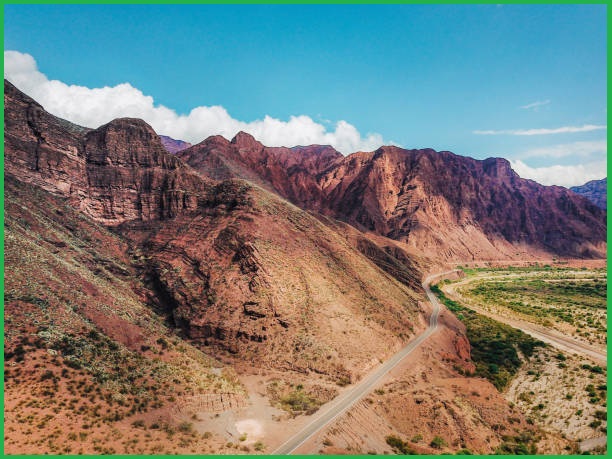
Its landscape features vast arid plateaus and deep canyons, covered mainly with shrubs and hardy herbaceous plants. The central portions of the steppe are covered with shrubby and herbaceous plants, while in the more humid western areas, grasses replace the shrubs.
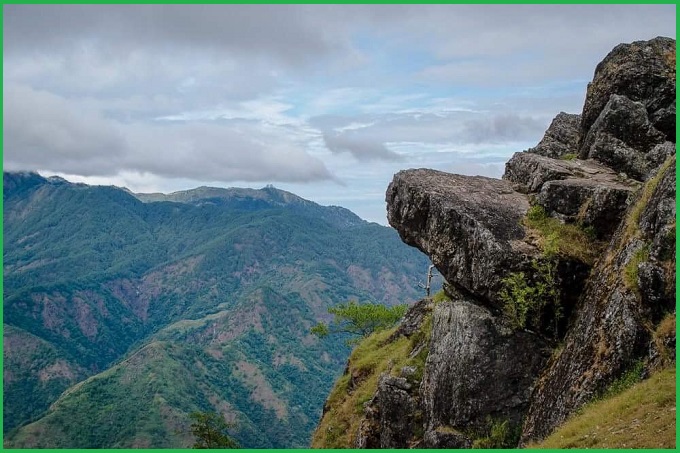
The landscape consists of alternating plateaus and massifs intersected by river valleys and canyons. In the west, glacial lakes are a common feature, and the terrain gradually transitions into barren mountains or cold temperate forests along the valleys.
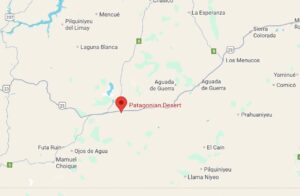
Patagonian Desert Map
The topography of the Patagonian Desert is diverse and expansive, consisting of tablelands, massifs, valleys, canyons, and glacially formed lakes.
Patagonian Desert Temperature and Geography
The Patagonian Desert, the largest desert south of the 40° parallel, is a cold desert with a harsh winter climate, where temperatures rarely rise above 12 °C and average around 3 °C. The region endures roughly seven months of winter and five months of summer. While frost occurs frequently, snowfall is uncommon due to the region’s consistently dry conditions.
The Andes Mountains to the west are the primary factor behind the desert’s formation, as they block moist westerly winds from the southern Pacific, creating a rain shadow effect. This explains why such a vast desert exists despite nearly half of it lying only about 200 miles from the ocean. The cold Falkland Current, which flows along the Atlantic coast, further contributes to the area’s dryness.
The steppe vegetation of the Patagonian Desert supports extensive livestock farming, particularly sheep, raised by ranchers throughout the region. Commercially important crops grown here include peaches, almonds, alfalfa, dates, olives, and grapes. Additionally, the desert is rich in mineral resources, including iron ore, manganese, uranium, zinc, copper, and gold.
Also read- The Amazing rock Formation-Marble caves, Patagonia in Chile
Patagonian Desert Animals
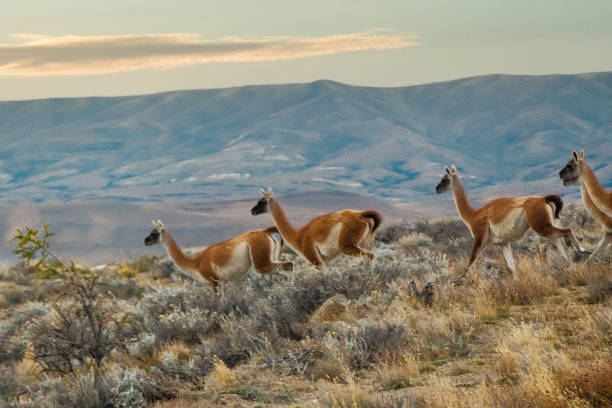
The Patagonian Desert hosts a diverse range of wildlife, including mammals such as pumas, guanacos, Patagonian cavies (maras), foxes, armadillos, and various rodents like tuco-tucos and vizcachas. Birdlife includes the lesser rhea (ñandú), Andean condors, and coastal species like Magellanic penguins. The region is also home to reptiles, including snakes and lizards, as well as insects and other arthropods such as scorpions.
Patagonian Desert Facts
Location: The Patagonian Desert lies in the Patagonia region, bordered by the Andes Mountains to the west, the Atlantic Ocean to the east, and the Colorado River to the north. Formation: It is a rain-shadow desert, formed when the Andes block moist winds from the Pacific Ocean, resulting in a dry climate on the leeward (eastern) side. Climate: This cold desert features a predominantly rocky and gravelly surface rather than sandy terrain. Size: It spans roughly 673,000 square kilometers (260,000 square miles). Water Sources: Despite its arid conditions, the desert is intersected by rivers fed by glaciers and lakes.
Vegetation: The landscape is dominated by shrubs and grasses, with vegetation gradually transitioning from dry scrub forests in the north to sparse, low-lying plants in the more arid southern regions.
Wildlife: The Patagonian Desert supports a diverse range of species, including continental animals such as guanacos, foxes, and condors, as well as coastal wildlife like sea lions, penguins, and orcas. Patagonian Ice Fields: The western edge of the desert borders the Patagonian Ice Fields in the Andes, the largest ice masses in the Southern Hemisphere outside Antarctica. Dynamic Glaciers: Many of these glaciers are rapidly melting, making the region a key area for studying global sea-level rise and climate change.
How to Reach the Patagonian Desert
To visit the Patagonian Desert, fly into Santiago, Chile (SCL) or Buenos Aires, Argentina (EZE), and then take a domestic flight to a closer regional airport, such as Bariloche (BRC) in Argentina or Puerto Natales (PNT) in Chile. From there, travelers can reach their destination within the expansive Patagonian region by bus, car rental, or taxi.
Post Views: 764
 sutikshan