sutikshan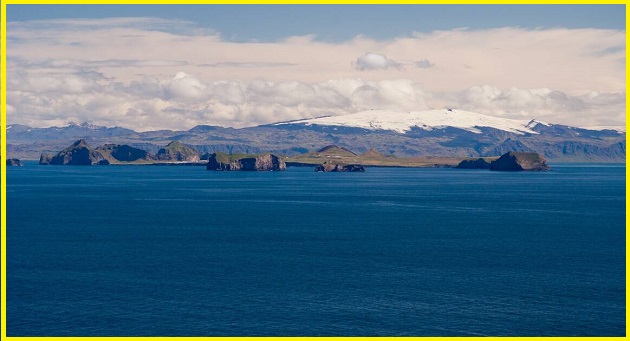
Surtsey Island
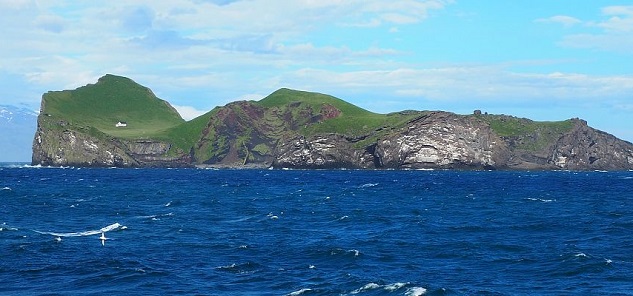
Surtsey, a volcanic island in Iceland, emerged from a submarine eruption that lasted from 1963 to 1967. Situated approximately 32 km south of the mainland in the Vestmannaeyjar archipelago, it serves as a unique natural laboratory for studying the colonization of new land by life, having been legally protected since its inception.
Remarkably Surtsey has been protected since its very creation, serving as a pristine natural laboratory for scientific research. Free from human disturbance, the island has provided invaluable long-term insights into how plants and animals colonize new land.
Scientific studies began in 1964, documenting the arrival of seeds carried by ocean currents and the early presence of moulds, bacteria, and fungi. In 1965, the first vascular plant was recorded, and by the end of the first decade, 10 species had established themselves. By 2004, the island supported 60 vascular plant species, along with 75 bryophytes, 71 lichens, and 24 fungi. Surtsey, Iceland, has also become a haven for wildlife, with 89 bird species observed—57 of which also breed elsewhere in Iceland—and 335 species of invertebrates recorded on its 141-hectare landscape
Why is Surtsey Island Forbidden
Surtsey Island is forbidden to the general public because it’s a strictly controlled environment, designated as a UNESCO World Heritage Site, and serves as a unique natural laboratory for scientific study. The primary reason for its restricted access is to allow scientists to observe the natural processes of ecological succession, the development of a new ecosystem from bare rock, without human interference.
The Surtsey encompasses the entire island along with a sufficient surrounding marine area, ensuring the protection of all zones vital for the long-term conservation of Surtsey’s ecological processes. In addition, a relatively small yet functional marine buffer zone exists outside the inscribed Place. A key aspect of Surtsey’s natural evolution is coastal erosion, which has already reduced the island’s size by half. Over time, it is expected to erode a further two-thirds, leaving only the most resistant core.
Surtsey Island Conspiracy
There are indeed a few “conspiracy theories” and myths around Surtsey Island, mostly because it is strictly off-limits to the public. Some people speculate that something is being hidden there, while others connect it to broader myths about forbidden islands. Here are the main ideas:
Conspiracies
Hidden Secrets Theory – Since only scientists with permits can visit, some claim the Icelandic government or UNESCO is hiding unusual discoveries (rare species, unique geology, or even “alien” life).
Military Testing Rumor – A fringe theory suggests the island might have been secretly used for experiments, given its isolation. However, there is no evidence of this.
Atlantis Connection – Some imaginative stories link Surtsey to myths of Atlantis or lost civilizations, just because it’s a “new land rising from the sea.”
Cover-up of Human Impact – A more realistic but still conspiratorial view is that authorities might downplay how much human visits (including early journalists and researchers) altered the ecosystem, to keep the “pure natural laboratory” narrative intact.
The Reality
The real reason Surtsey is off-limits is scientific: it provides a once-in-history chance to study how ecosystems develop on a brand-new volcanic island, without interference. Since 1963, scientists have carefully documented how seeds, insects, birds, and marine life colonize it naturally. Allowing tourists would instantly contaminate the environment.
How to Reach Surtsey Island
Surtsey Island is a strictly protected area, with public access prohibited in order to safeguard its unique ecosystem. Only scientists holding special permits are allowed to set foot on the island for research purposes. For visitors, the closest experience is from the Vestmannaeyjar (Westman Islands), where lookout points and museums offer excellent views and detailed insights into the island’s history and natural significance.