 sutikshan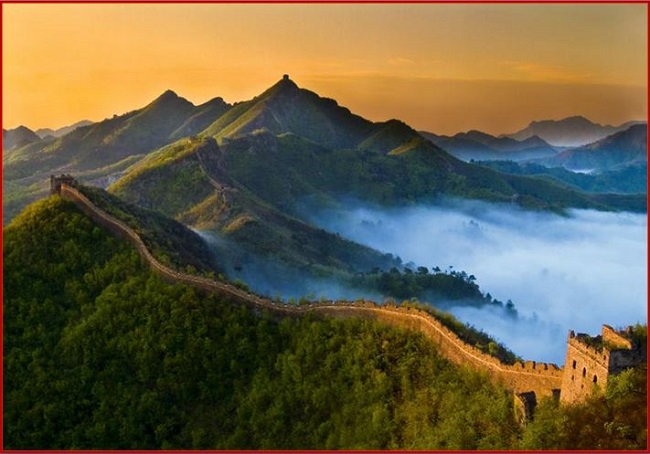
The Great Wall of China
The Great Wall of China is the largest man-made feature in the world. It is a series of walls and ancient fortifications built in northern China. The total length of the Great Wall of China is more than 20000 Kilometers. It is the most recognizable symbol of China. The Great Wall was originally conceived by Emperor Qin Shi Huang in the third century B.C. as a means of preventing attacks from barbarian nomads. The best-known and best-preserved section of the Great Wall was built in the 14th- 17th centuries A.D., during the Ming dynasty.
The Great Wall of China is an integrated defence system including lofty and solid walls, massive signals, barracks, garrison station towers, barriers, and fortresses along the walls for thousands of years, to protect the territories of ancient Chinese states. Though the Great Wall never effectively prevented invaders from entering China, it has only functioned as a powerful symbol of China.
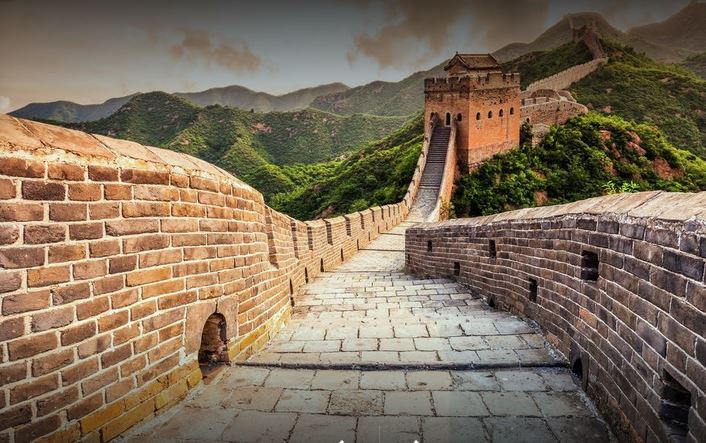
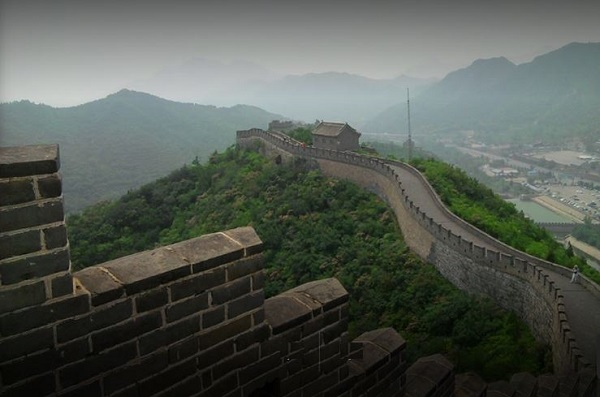
The wall usually stood 6.5 meters wide at the base and 5.8 meters at the top, with an average height of 7 to 8 meters, or a bit lower on steep hills. The structure of the wall varied from place to place, depending on the availability of materials. The Walls were made of tamped earth sandwiched between wooden boards, adobe bricks, a brick and stone mixture, and rocks. Apart from this, guard towers were made at specific intervals.
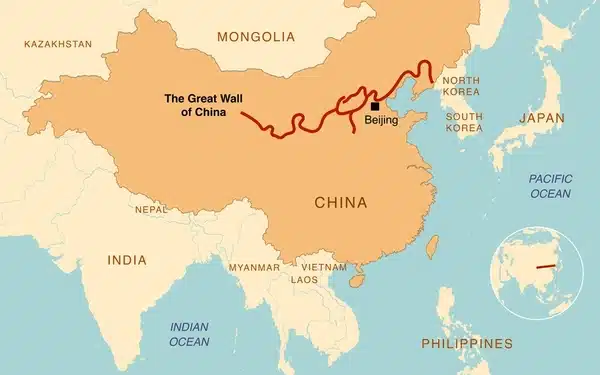
Great Wall of China Map
The Great Wall of China is not a single, continuous wall, but an extensive system of fortifications stretching over 21,000 kilometers across northern China. The most famous and best-preserved sections are those built during the Ming Dynasty (1368–1644).
A map of the Great Wall typically shows its immense span across multiple provinces, with a focus on the most popular sections near the capital, Beijing.
A UNESCO World Heritage site
The Great Wall of China was declared a UNESCO World Heritage site in 1987 and one of the Seven Wonders of the Medieval World. It was built in different areas by different states/dynasties to protect different territorial borders. Early in the 7th century BC, several ancient states built their own boundary walls. This wall was connected by Qin Shi Huang (259 – 210BC), the First Emperor of China. The wall is known as the ‘10,000-li Long Wall’. After that, in the span of 2,000 years, time period many dynasties continued to consolidate and extend the Great Wall, not only for defence purposes but also for border trade management and immigration control.
Also Read- Qinghai Lake: China’s Largest Inland Salt Lake
Despite its long history, the well-preserved sections that exist today were mainly built during the Ming Dynasty (1368 – 1644). Among these, the most popular are around Beijing, including Badaling, Mutianyu, Juyongguan, and Simatai. The Great Wall of China is one of the greatest sights in the world. Its winding path through rugged country and steep mountains offers great scenery.
The Great Wall of China is a must-visit attraction. It is the longest and most costly building project in human history. It deserves its place among “the New Seven Wonders of the World” and the UNESCO World Heritage Sites.
Great Wall of China from Space
The widespread belief that the Great Wall of China is visible from space with the naked eye is a popular myth and is entirely false. Astronauts confirm it’s impossible to see, especially from the Moon. While the Wall is difficult to distinguish because of its narrow width and materials that blend with the surroundings, it can be photographed from low Earth orbit under specific, favorable conditions, often requiring magnification and precise location knowledge. Additionally, specialized radar imagery can detect buried sections of the Wall.
Facts about the Great Wall of China
While the Great Wall of China is a colossal series of fortifications built over 2,000 years (rather than a single continuous wall), its most well-preserved sections were built during the Ming Dynasty. This massive structure, stretching over 21,196 km (13,170 miles), served the dual purpose of providing crucial military defense against northern invaders and standing as a powerful, enduring symbol of Chinese civilization.
Read- Geotourism And Modern Geotechniques
The most famous section was built during the Ming Dynasty and measures about 8,850 km (5,500 miles) long. The wall is a series of fortifications, not a single continuous wall, and includes walls, watchtowers, and fortresses.
Construction began as early as the 3rd century BCE and continued into the 17th century AD. Early sections were made of rammed earth, while later sections, especially those from the Ming Dynasty, were built with more durable materials like bricks and mortar made from rice flour
Source- history.com, nationalgeographic.com