 sutikshan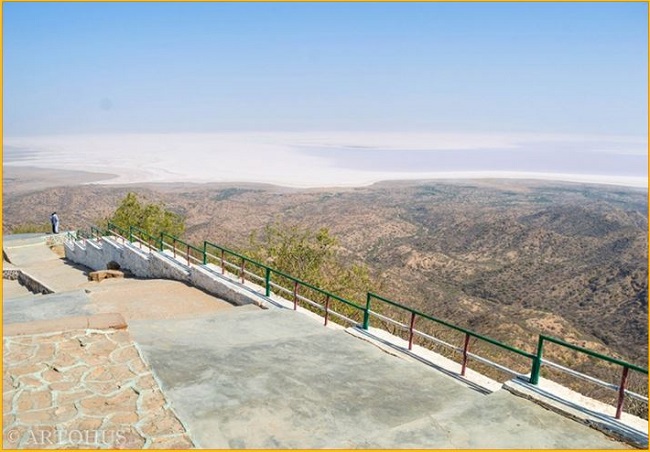
The Great Run of Kutch
The Rann of Kutch is India’s largest salt plain, in the Kutch district, Gujarat, between the Gulf of Kutch and the mouth of the Indus River in southern Pakistan. The region is divided into two distinct areas – the Great Rann, which is a 7850 Sq.km desert, and the Little Rann, which is 4950 Sq.km each offering different experiences. The former is best known for its spectacular landscapes, while the latter destination is a hub of salt farming. The Great Rann of Kutch gives the land a white, snowy look. As far as your eyes can see, you will find an endless landscape of pure white land.
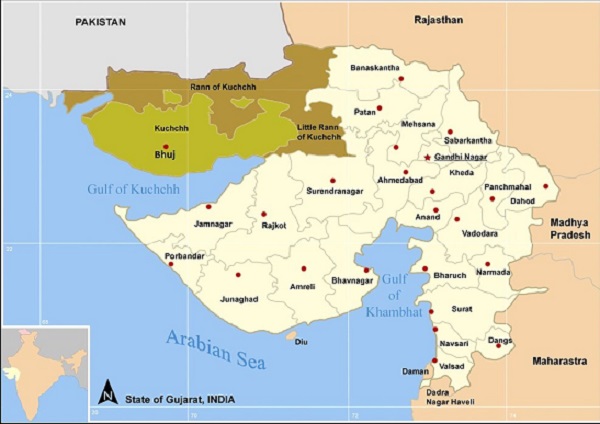
The region is known as Kutch, literally meaning “intermittently wet and dry,” and the name “Rann” comes from the Hindi word ran meaning “desert.” Due to its proximity to the Pakistan border, the Indian army has a base at Rann and has army officials patrolling around the area throughout the day. To visit the Rann of Kutch, all travelers must have valid id proofs to get in at the entry point.
Geology
The Rann area was a vast shallow of the Arabian Sea and was submerged during marine incursions in the geological past, but after geological upliftment turned to desert as the sea transgressed and left behind Quaternary clay and evaporate sediments. The Kutch Basin is a Late Triassic to Cretaceous rift basin that evolved into a passive margin basin during the Cenozoic. Kutch Peninsula, where we find a diverse landscape of highlands or hills and lowlands encompassing salt flats to the north and east, and grasslands (Banni grassland) in the center.
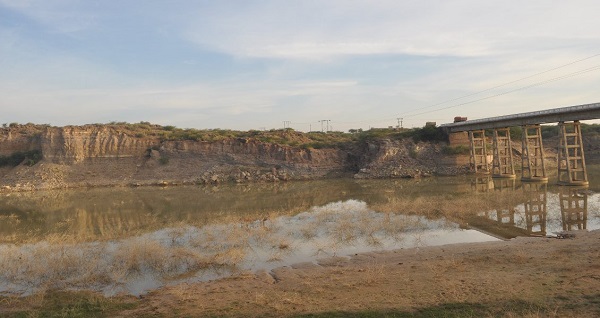
Kutch has great potential for designating national parks for geologists, students, and ecotourists. The fault blocks of the Kutch Basin in western India offer a unique opportunity to observe the Jurassic-Cretaceous-Paleogene sediments outcropping anywhere else in Western India.
Also, read- Earth’s Tectonic Treasures: The 10 Most Significant Geological Lakes
Wild Ass century
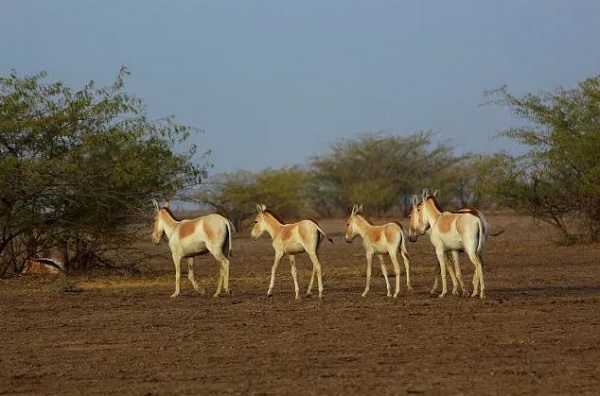
The Wild Ass Sanctuary is located in the Little Rann of Kutch. It covers an area of 4954 km². The Sanctuary is named after a subspecies of wild ass, the last population of which it harbors. The Rann is one of the most remarkable and unique landscapes of its kind in the entire world.
The Rann of Kutch has a variety of landforms, drainage, and relief patterns which clearly reveal a complex interplay of tectonics, sea-level changes, lithology, and lithology as also erosion and deposition. It is dotted with about 74 elevated plateaus or islands, locally called ‘bets’. The largest plateau, called Pung Bet, has an area of 30.5 km², and the highest island, Mardak, is 55 m.
On the southwestern edge of the desert, the Banni grassland is known to attract more than 250 species of birds. Like flamingos, cranes, and spoonbill during the winter season. On the western side, the Narayan Sarovar Chinkara Sanctuary plays host to honey badgers, pangolin, bustards, and partridges.
Fossil Park
Mohan Singh Sodha, probably India’s biggest private collector of fossils in Kutch. He is a Shaurya Chakra awardee and collected more than 10,000 specimens of fossils. He even has a fossil specimen named after him.
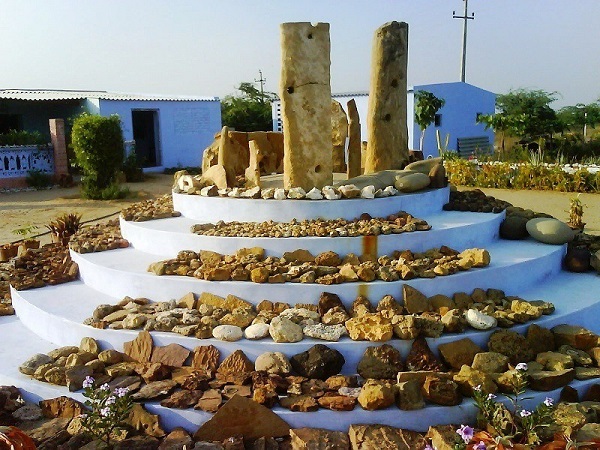
His collection includes fossilized dinosaur eggs, dinosaur teeth, and the vertebrae of sea animals. But it was a seven-foot-long, 65-million-year-old sea cow that attracted the most attention. Kutch is full of fossils, dating back to more than 200 million years to the recent age.
Narayan Sarovar
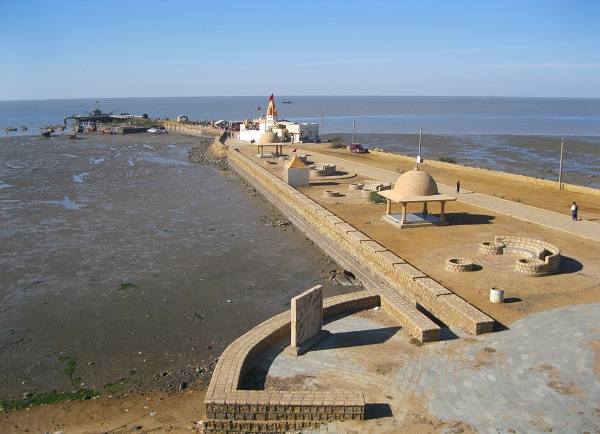
Narayan Sarovar, one of the holiest lakes of Hindus, is sacred to Lord Narayan. It is located in the Lakhpat taluka of the Kutch district. The ancient Koteshwar temple lies only 4 km away. The lake is mentioned in the Hindu Puranas as five lakes (Panch-Sarovar) – Mansarovar, Bindu Sarovar, Narayan Sarovar, Pampa Sarovar, and Pushkar Sarovar.
The Rann Utsav
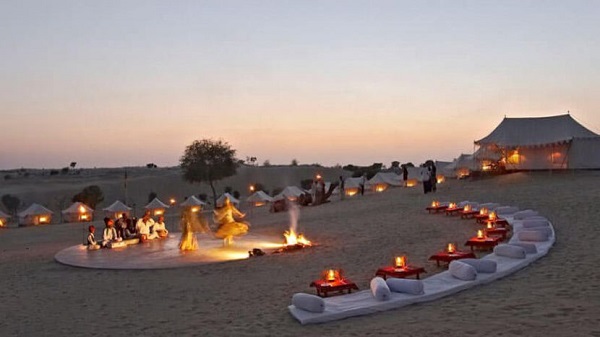
The Rann Utsav is a three-month-long festival that takes place on the Great Rann of Kutch. Starting from mid-November to February. This festival hosts many activities and performances by local folk artists, renowned singers, and more, which attract several thousand people to this place. A camel safari on the White Desert is the most important activity in the Great Rann. The festival is also the main source of income for the locals who welcome visitors from across the globe.
Kutch is also known for its unique craft that has been mastered over centuries by the people of this land of sheer artistry. The variety of crafts ranges from weaving, patchwork, block-printing, bandhani, tie-and-dye, Rogan-art, and other ethnic styles of embroidery, to pottery, wood-carving, metal-crafts, and shell-work.
Read- Geotourism And Modern Geotechniques
Apart from this, the island is home to a 5,000-year-old Indus Valley civilization site known as Dholavira. Siyot caves, Lakhpat Fort, Surkotada, Kanmer, Kala Dunger, and Mandvi beach are worth visiting the site in great Runn of Kutch.
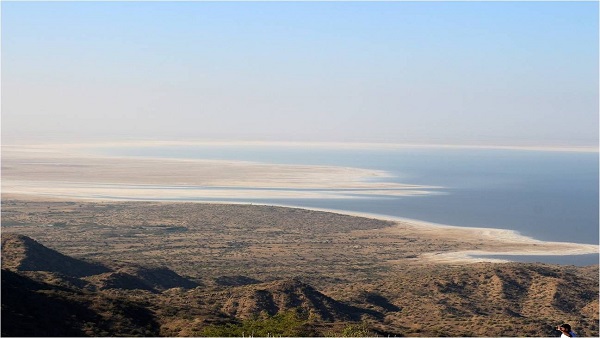
The best time to visit Rann is during the Rann Utsav, but for those who do not wish to be part of crowds, a visit to Kutch in November or March is a better option. A few other ‘not-to-miss’ spectacles at Rann are the sunset and the moon rise, or a new moon night, which adds to the beauty of the white desert by adding different shades of colors to the white sand.
How to Reach The Rann of Kutch
To reach the Rann of Kutch, fly or take a train to Bhuj, the nearest major city, then travel about 80 km by taxi, bus, or pre-arranged transport to the White Desert (Dhordo), often via the Rann Utsav base, securing necessary permits for entry. Major transport hubs like Mumbai and Ahmedabad offer connecting flights, trains, and buses, with road trips also being a scenic option for adventurous travelers.