 sutikshan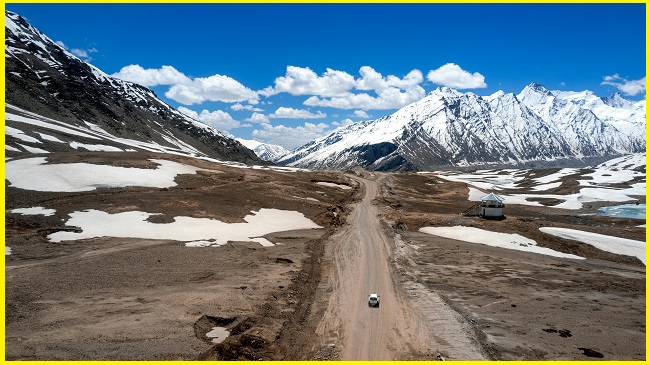
The Great Himalayan National Park (GHNP), located in the Banjar sub-division of Kullu district in Himachal Pradesh, India, was established in 1984. Spanning an area of 1,171 km², the park’s elevation ranges from 1,500 to 6,000 meters, encompassing a wide variety of ecosystems.
GHNP is home to a rich diversity of flora and over 375 species of fauna, including around 31 species of mammals, 181 birds, 3 reptiles, 9 amphibians, 11 annelids, 17 mollusks, and 127 insects. All wildlife within the park is strictly protected under the Wildlife Protection Act of 1972, which prohibits any form of hunting or exploitation. In June 2014, the Great Himalayan National Park was inscribed as a UNESCO World Heritage Site in recognition of its outstanding significance for biodiversity conservation.
The Great Himalayan National Park Conservation Area (GHNPCA) is distinguished by its high alpine peaks, alpine meadows, and riverine forests. Covering an area of, the park encompasses upper mountain glaciers and snowmelt sources that feed several rivers providing crucial water catchments for millions of people downstream.
Trekking in the Great Himalayan National Park is a must for nature lovers and trekkers.
GHNP is a biodiversity hotspot and a World Heritage Site. Because it is a protected area, there are no roads or facilities within the Park. The only way to explore the pristine wilderness is by foot.
What to do in GHNP
Trekkers can explore the Great Himalayan National Park (GHNP) only with recognised and experienced guides, as the trails can be tricky to navigate and the park’s unique flora and fauna need protection. While GHNP is open year-round, the best trekking seasons are April to June and September to November. This UNESCO World Heritage Site is a biodiversity hotspot, celebrated for its majestic mountains and dense forests. Trekking here is not just the best way—but the only way—to truly experience its beauty.
Hiking through lush forests and climbing toward high-altitude summits is an adventure in itself. Along the way, you’ll camp in the wilderness, cook under open skies, and share stories around a bonfire. For photographers, every trek promises stunning scenery, with each season offering a unique perspective of the mountains and forests. Birdwatchers will find GHNP especially rewarding, as it shelters many rare and endemic species—binoculars are a must.
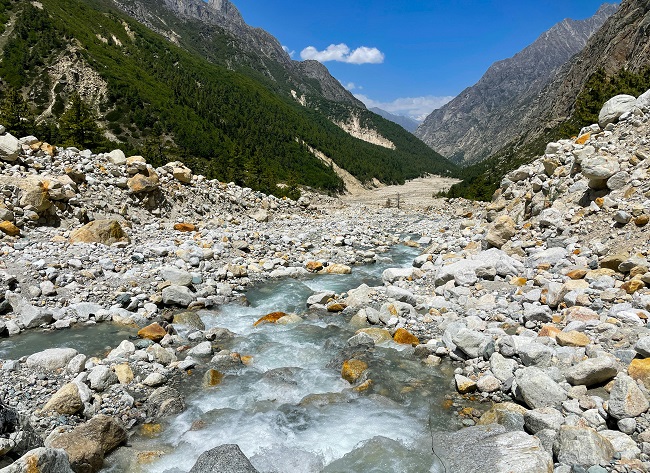
Wildlife sightings are plentiful, and our guides will help you identify various plants, trees, and animals you encounter. You’ll also gain insight into the region’s rich culture and history, making your GHNP trek an experience that blends nature, adventure, and heritage.”The Great Himalayan National Park is open year-round, but the best trekking seasons are from April to June and September to November.”
Also Read- The Girnar Hills-A Famous cultural Destination in Basaltic Terrain
List of Treks in the (GHNP)
When planning treks in GHNP, our team carefully surveys the park to select the most scenic routes and ideal camping spots, ensuring trekkers enjoy the very best of the Great Himalayan National Park.
We offer a diverse range of treks—each with its own charm and level of adventure. Below are some of our current multi-day trekking options in GHNP. Click on each trek name at the top of this page to learn more:
-
Rolla Trek
-
Rangthar Trek
-
Shilt Hut & Rakhundi Trek
-
Marahni & Kundr Trek
-
Ookhal Trek
-
Dhel Trek
-
Raktisar Trek
-
Nada, Kobri & Tirth Trek
-
Pin Parvati Trek
-
Lambri Trek
-
Sara Umga Trek
-
Jalori Pass Treks