 sutikshan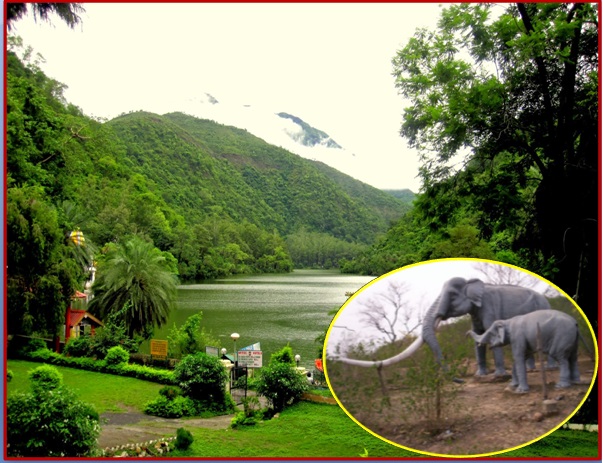
Shivalik Fossil Park
India has a diverse physical landscape and a rich cultural heritage that attracts adventure lovers. Over the past few decades, significant efforts have been made to promote tourism, even in the remotest corners of the country. The Geological Survey of India has already enlisted some of the famous geological locales as National Geological Monuments.
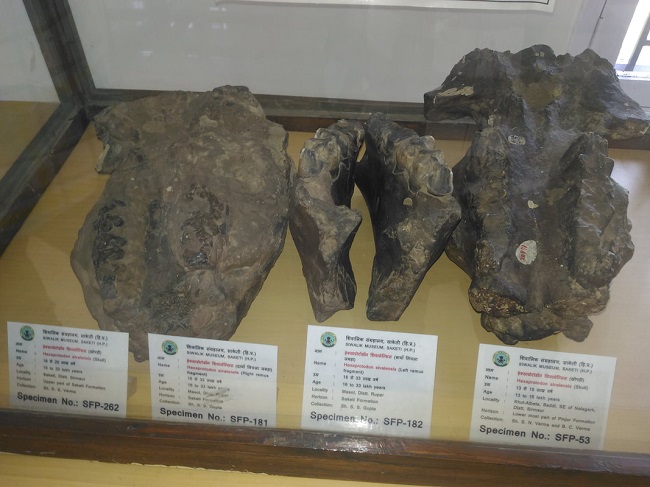
So, today I would like to take you to Saketi fossil park. Shivalik Fossil Park, also known as the Saketi Fossil Park, is a fossil park with a collection of prehistoric vertebrate fossils and skeletons in the Sirmaur district in the Indian state of Himachal Pradesh. It recovered from the upper and middle of Siwalik’s geological formations of sandstones and clay formations at Saketi
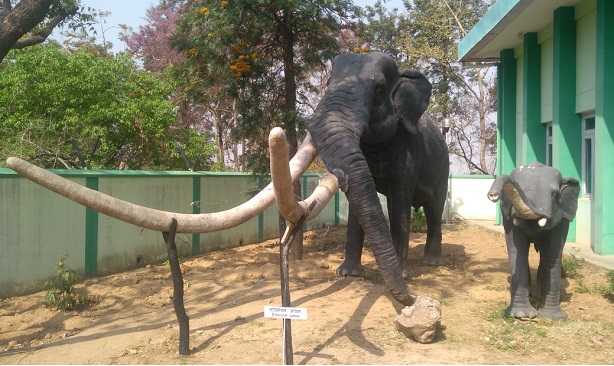
Shivalik Fossil Park contains a rich collection of 2.5 million-year-old vertebrate fossils from the Siwaliks. It covers an area of about 1.5 sq. km at Saketi, in the Markanda Valley of Sirmur district. The park has a display of the fossil finds and also an open-air exhibition of six extinct mammals formed in life-size models made of fiberglass and resins, in a natural ambiance of the Sivalik Hills environment of the Plio-Pleistocene era (Ca 2.5 million years) from where the fossils were recovered.
Geology
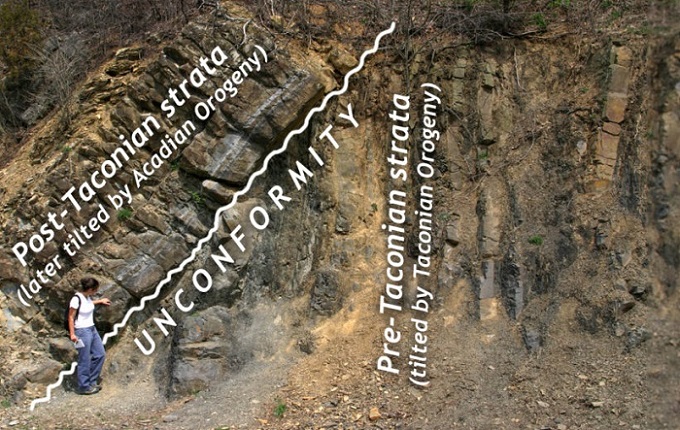
The Siwalik Group, exposed along the southern foothills of the Himalaya, ranges in age from 18.3 Ma to 22 Ma and is well known for its abundance of invertebrate fossils. The Siwalik succession is classified into the Lower, Middle, and Upper divisions, and is further divided into subdivisions. These subdivisions, referred to as zones, include the Kamlial, Chinji (Lower Siwalik); Nagri, Dhok Pathan (Middle Siwalik); and Tatrot, Pinjor, and Boulder Conglomerate (Upper Siwalik).
The animal fossils found in this region are the giant land tortoise, gharial, four-horned giraffe, sabre-toothed tiger, large tusked elephant, and hippo. A large and rare collection of vertebrate fossils recovered from the Siwalik Hills in Saketi and adjacent areas has been displayed in a field museum in the park.
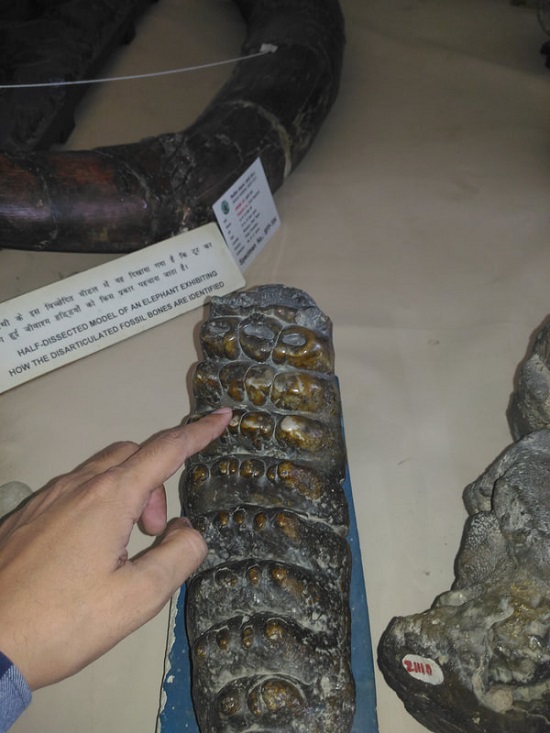
Rocks like Cherts and paintings related to several aspects of the lives of plants and animals of the past and present were presented in the museum. The stone items on display belong to the Early Palaeolithic Man. Also preserved in the museum are fossils of two genera of extinct primates, Sivapithecus and Ramapithecus. The museum also houses antiquities unearthed by Captain Cautley in the area, from which he dug out the remains of Asia’s oldest human ancestor.
Also read- The Power of Pattern: Namibia’s Legendary Phenomena ‘Fairy Circles’
Location
The fossil park is very near Kala Amb on the Kala Amb-Bikramabad road and 22 km from Nahan, the district headquarters of Sirmur district.
There is also a museum, within the open area of the park, where the fossils are curated and exhibited. It is Asia’s biggest fossil park. The Geological Survey of India, in close association with the Government of Himachal Pradesh, took the initiative and established the park on 23 March 1974. The park is also maintained by the Geological Survey of India.
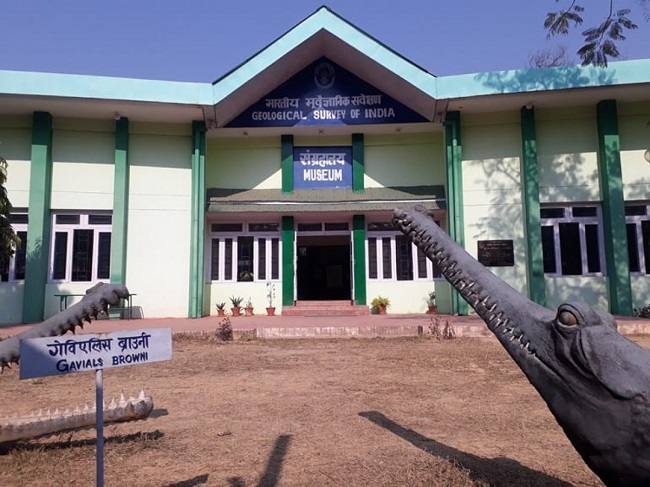
The exhibits in the park are used for generating scientific research in the public and for promoting international studies by visiting research scholars from all over the world. The Saketi fossils park is also the best site for Geotourism development.
Exhibits also include an Indian postage stamp with images of two elephants and tusks, issued in 1951 on the occasion of the centenary of the Geological Survey of India.
Read- Geotourism And Modern Geotechniques
Some Geotourism sites around the Fossil Park
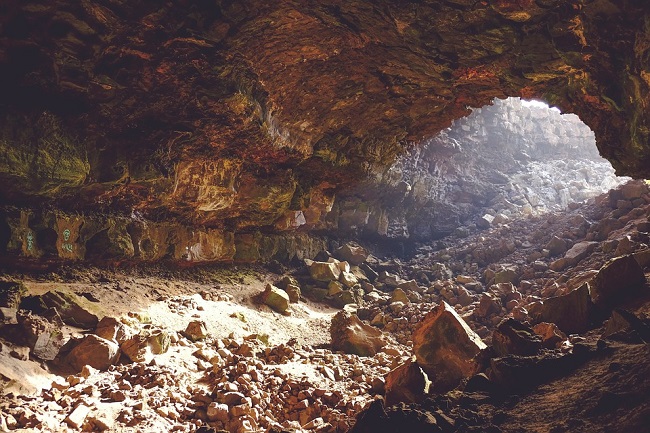
Triloknath Cave
The most beautiful Triloknath Cave is located near Nahan. This cave temple has a very interesting folktale associated with its past. According to several locals is said that the site is a spot where Lord Shiva himself used to meditate. Trilok Nath Cave Temple is quite popular among history lovers as well as devotees of Lord Shiva.
Renuka Lake
Renuka Lake is located in Sirmaur District, just 38 kilometers away from Nahan. The Lake is the perfect place to visit for people who are very close to nature. It is the largest natural lake in Himachal Pradesh, and the lake also offers breathtaking views to visitors who reach the ridge of the lake after passing through dense alpine forests.
The lake houses boating facilities, and the entire boating experience heightens the joy and fun of being at the lake. Another lake that is dedicated to Lord Parshuram, the son of Goddess Renuka, is also present near Renuka Lake.
Jaitak Fort
Located around 22km from Nahan, Jaitak Fort is a historical fort in Sirmour District and perched at a height of around 1479m above sea level. Nestled amidst the greenery-enriched views of the hills, the fortlets have the birds’ eye view of the surrounding areas due to their strategic settings. The best part of traveling to this fort is the drive that passes through the scenic views. One can walk uphill to reach the fort. History It is claimed that the Jaitak Fort was built in 1810 by the Gurkha leader Ranjor Singh Thapa. It is said that Ranjor Singh Thapa and his army fought against the British forces.
How to Reach Shivalik Fossil Park
To reach Shivalik Fossil Park (also known as Suketi Fossil Park), located in the Sirmaur district of Himachal Pradesh near Nahan, you’ll likely need to travel by road, as it’s best accessed via nearby cities like Nahan, with buses and taxis being common options, and can also be reached from Delhi/Chandigarh by car or bus, often as a combined trip with other Himachal attractions like Renuka Lake