 sutikshan
Navi Mumbai
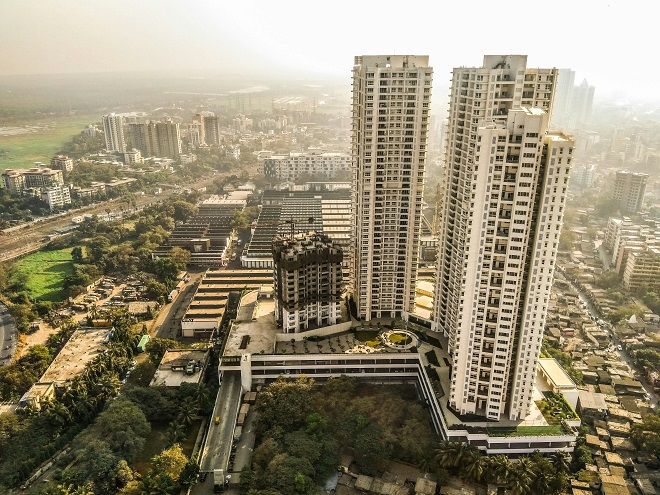
Navi Mumbai is a major planned city in the Mumbai Metropolitan Region, located in the Konkan division of Maharashtra. Situated on the mainland across from Salsette Island and the city of Mumbai, it forms part of the Thane district. Recognized for its urban planning and livability, Navi Mumbai has consistently ranked high in national cleanliness surveys. Navi Mumbai hosts a wide range of educational institutions and serves as a thriving business hub, with several multinational corporations establishing their head offices and branches across the city. The Thane–Belapur Road corridor is a prominent commercial zone, while Palm Beach Road is renowned for its upscale residential developments and business attractions.
Navi Mumbai’s development began in the early 1970s, when the Maharashtra government envisioned it as an alternative urban center to ease the mounting pressure on Mumbai, which at the time was grappling with overcrowding, inadequate housing, and overstretched infrastructure.
Planning of Navi Mumbai
The planning of Navi Mumbai began in 1971 under the guidance of prominent architects and urban planners, including Adi Kanga, Charles Correa, Shirish Patel, Pravina Mehta, and R. K. Jha. To execute this ambitious vision, the City and Industrial Development Corporation (CIDCO) was established as the nodal agency. The project spanned nearly 150 kilometres of the Konkan coast, with the government of Maharashtra acquiring privately owned land that included 86 villages within what are now the limits of Navi Mumbai. The planned city extends over the southern part of Thane taluka (Thane district) and portions of Panvel and Uran talukas (Raigad district).
To ensure organized growth, CIDCO developed the city into 19 self-contained nodes: Airoli, Ghansoli, Kopar Khairane, Vashi, Turbhe, Sanpada, Juinagar, Nerul, Seawoods, CBD Belapur, Kharghar, Kamothe, New Panvel, Kalamboli, Ulwe, Dronagiri, and Taloja. Among these, Sanpada is the smallest node, covering just 8.6 km².
CIDCO undertook the planning and construction of railway stations, roads, and public spaces in Navi Mumbai, while also promoting commercial development in the surrounding areas. A key milestone came in 1973 with the opening of the Vashi Bridge, which provided vital connectivity for residents of Vashi, CBD Belapur, and Nerul. To further improve accessibility, the Sion–Panvel Highway was built, significantly reducing travel time between Sion and Panvel.
Major transformation, however, began only after the 1990s. The commissioning of the wholesale agricultural produce market at Turbhe and the launch of a commuter railway line from Mankhurd to Vashi in May 1992 triggered rapid growth in both economic activities and population, shaping Navi Mumbai into a thriving urban hub.
By the late 1990s, Navi Mumbai’s planning authority began encouraging private developers to invest in the city, boosting its pace of urbanization. A significant milestone came on 11 November 2018 with the inauguration of the Nerul–Uran rail link, enhancing connectivity to the southern parts of the region. Today, the City is witnessing rapid growth, particularly in the modern nodes of Kharghar, Kamothe, Panvel, and Kalamboli. These areas are undergoing major infrastructural development, largely driven by their strategic proximity to the upcoming Navi Mumbai International Airport (NMIA).
Also Read- Atal Setu Mumbai-A Majestic Highway on the Sea
Weather Navi Mumbai
Navi Mumbai has a tropical savanna climate, marked by three primary seasons: a cool, dry winter (December to February), a hot summer (March to May), and a humid monsoon (June to September). Winter temperatures generally range from 18°C to 25°C, while summer highs reach around 33°C to 33.7°C. The monsoon season is characterized by heavy rainfall and elevated humidity levels.
Winter (December – February):
The most comfortable season to visit, with mild, dry weather and pleasant temperatures ranging between 18°C and 25°C.
Summer (March – May):
Hot and humid, with May being the peak of summer. Average temperatures during this period vary from 24°C to 33.7°C.
Monsoon (June – September):
Characterized by heavy rainfall and high humidity, this season brings the majority of the region’s annual precipitation.
Attractions in Navi Mumbai
Top attractions in Navi Mumbai range from natural landscapes to cultural landmarks and modern leisure hubs. Nature lovers can explore Pandavkada Falls and the scenic Kharghar Hills, while those seeking spiritual experiences often visit the Nerul Balaji Temple and the ISKCON Temple. Families enjoy outings at Wonders Park and Central Park, two of the city’s most popular recreational spaces. For shopping and lifestyle experiences, destinations like Inorbit Mall and Seawoods Grand Central stand out. History enthusiasts can step back in time at the Belapur Fort, a reminder of the region’s heritage.
Pandavkada Waterfalls – A favorite among trekkers and adventure seekers, this majestic waterfall cascades into a serene pool, offering a refreshing natural escape.
Kharghar Hills – Known for their panoramic views of the city, these hills are ideal for leisurely walks and short nature trails.
Central Park, Kharghar – One of the largest urban parks in the region, featuring landscaped gardens, walking paths, a sculpture park, and tranquil green spaces.
Karnala Bird Sanctuary – A paradise for birdwatchers and nature lovers, home to diverse avian species amidst lush forested surroundings.
Belapur Fort: A historic landmark that appeals to heritage enthusiasts, providing a peaceful escape from the city’s bustle.
Seawoods Grand Central: A vibrant hub for shopping, dining, and entertainment, and one of Navi Mumbai’s most popular lifestyle destinations.
Navi Mumbai Airport
The Navi Mumbai International Airport is an international airport under construction in Ulwe, Navi Mumbai, Raigad district, Maharashtra, India. Once completed, it will serve as the second airport in the Mumbai Metropolitan Region, complementing the existing Chhatrapati Shivaji Maharaj International Airport.
The project is being developed by Navi Mumbai International Airport Limited (NMIAL), a special-purpose vehicle formed through a partnership between Adani Airports Holdings Limited and the City and Industrial Development Corporation (CIDCO), the state agency responsible for major infrastructure projects in Maharashtra. Estimated at a cost of ₹16,700 crore, the airport is being executed under a Public–Private Partnership (PPP) on a Design, Build, Finance, Operate, and Transfer (DBFOT) model. Upon completion, NMIAL will also be responsible for operating and maintaining the facility.
How to Reach Navi Mumbai
You can reach Navi Mumbai from Mumbai through multiple routes. The Mumbai Suburban Railway’s Harbour Line and Trans-Harbour Line provide direct rail connectivity, while the Atal Setu bridge offers a fast road link between South Mumbai and Navi Mumbai. Regular buses also operate between the two cities. From Chhatrapati Shivaji Maharaj International Airport (BOM) in Mumbai, travelers can either take a bus service to Navi Mumbai or use the suburban railway network from the nearest station for convenient access.