 sutikshan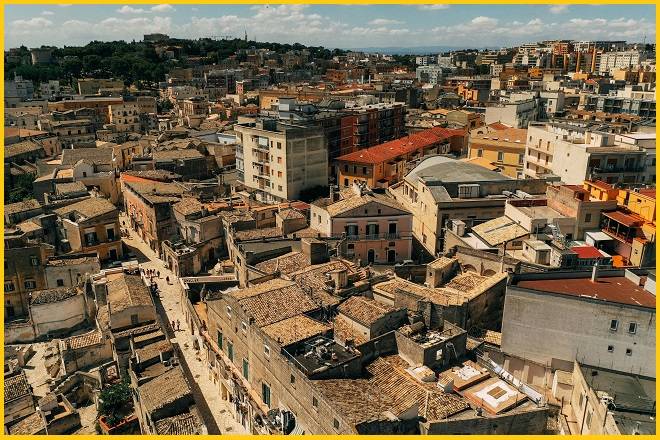
Matera’s Sassi
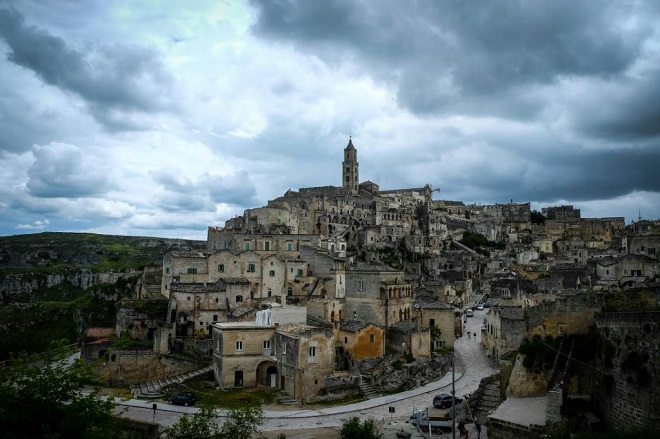
Matera’s Sassi are ancient, cave-dwelling districts in southern Italy, renowned for making Matera one of the oldest continuously inhabited cities in the world. Carved into limestone cliffs and inhabited since the Paleolithic period, these UNESCO World Heritage sites offer a unique, breathtaking urban landscape of rock-cut architecture.
The Sassi, which Fodor’s described as “one of the most unique landscapes in Europe, Today has been beautifully transformed into hotels, restaurants, and museums, allowing visitors to step into this remarkable piece of human history.
Cave Dwelling City
A cave dwelling is a shelter or home, either natural or man-made, located within a cave, grotto, or a similar underground or rock-cut structure. These dwellings are one of the earliest forms of human housing, offering inherent advantages such as:
Insulation: Providing a cool environment in the summer and a warm, dry shelter in the winter due to the stable temperature of the Earth. Protection: Offering defense from weather, predators, and invaders. Accessibility: In areas with soft, workable rock (like the limestone around Matera), carving a home was often easier and more resource-efficient than constructing a traditional house. The people who inhabit such homes are historically referred to as troglodytes.
Matera’s “Cave-Dwelling City”
In the case of Matera, the term refers specifically to the Sassi, the city’s ancient districts. These are not merely single caves but an extensive, complex urban settlement where:
Houses were dug directly into the soft, calcarenitic rock (locally called “tufo”).
The architecture is layered, with streets often running atop the roofs of the houses below, creating a unique, interconnected rock-cut urban landscape.
Also Read- Sicily Italy-A Dazzling Island in Mediterranean Sea
The Sassi represent one of the world’s most complete and longest-running examples of this form of architecture, showing continuous occupation from the Paleolithic period until the forced relocation in the 1950s, followed by subsequent restoration.
Geology
The Sassi grew within the Murgia Plateau (extending across Apulia and Basilicata) and, alongside the “Civita” and the “Piano,” form the complete structure of Matera’s Old Town.
The UNESCO World Heritage site encompasses both the ancient districts of Matera and the Park of the Rupestrian Churches. These areas stretch across the Murgia, a calcareous highland plateau defined by deep fault fissures, ravines, rocks, and caves.
This dramatic territory—characterized by deep ravines (gravine), bare plateaus, ancient cave churches, shepherd tracks, and fortified farmhouses—creates one of the most evocative landscapes in the Mediterranean.
Also Read- Business Leaders Success Story
Explain the history of Matera’s Sassi
The Sassi originate from a prehistoric troglodyte settlement and are believed to be among the first human settlements in Italy, with evidence suggesting habitation as early as 7000 BC. The term sasso itself comes from the Latin saxum, meaning a hill or great stone. The dwellings are essentially houses dug directly into the calcarenitic rock—a stone locally called “tufo” (though it is neither volcanic tuff nor tufa limestone) that is characteristic of Basilicata and Apulia.
This unique structure led to a fascinating urban layout: streets in some areas often run directly on top of other houses. The ancient town grew organically on one slope of the ravine created by the Gravina river, which is known locally as “la Gravina.”
The World Heritage sites and monuments embody the characteristic cultural features that give the property its Outstanding Universal Value. This designation specifically includes the ancient urban center and the adjacent highland plateau across the ravine, which collectively show evidence of continuous human settlement for over 2,000 years.
The rock-cut settlement shows evidence of continuous human occupation from prehistoric times until the mid-twentieth century. Although the entire population of the Sassi was forcefully relocated in the 1950s to improve sanitation and renovate the ancient districts, the interruption was temporary. While the abandonment initially caused some degradation, people began returning in the 1980s, which restored the traditional use and function of the property and rejuvenated the spirit of the place.
How to Reach Matera’s Sassi
To reach Matera’s Sassi, the easiest method is to fly into Bari Airport, as there are no direct flights to Matera. From Bari, take a direct shuttle bus or the Ferrovie Appulo Lucane regional train to Matera Centrale Station, which takes about 60 to 100 minutes. Alternatively, direct buses are available from major Italian cities, or you can take a train to Bari and then transfer to a bus or the FAL train to Matera.