 sutikshan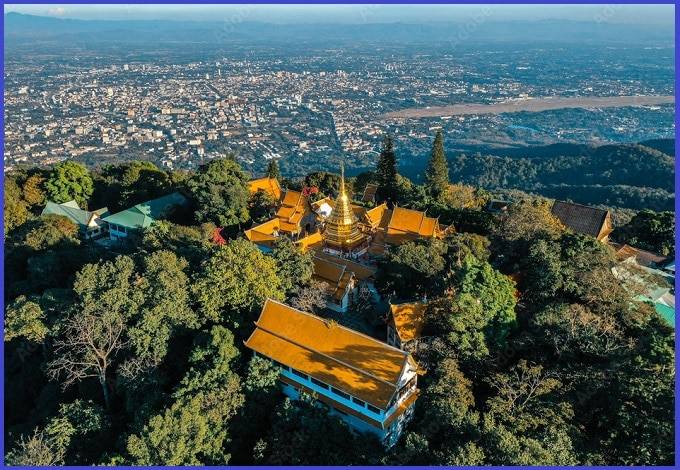
Doi Suthep
Located just 15 kilometers west of Chiang Mai, Thailand, Doi Suthep is a prominent granite peak rising to an elevation of 1,676 meters. It forms one half of a twin mountain system with the slightly taller Doi Pui, 1,685 meters. Doi Suthep is one of the most famous and culturally significant landmarks in Northern Thailand, dominating the skyline of Chiang Mai. It is an essential stop for any visitor to the region. The name refers to the granite mountain itself, which is part of the Doi Suthep-Pui National Park.
The mountain’s vegetation is distinct: deciduous forest covers the land below 1,000 meters, giving way to evergreen forest higher up. Its importance as a natural area was recognized early on, as the forest was established as a protected area by royal decree in 1949 before becoming a national park.
Geology
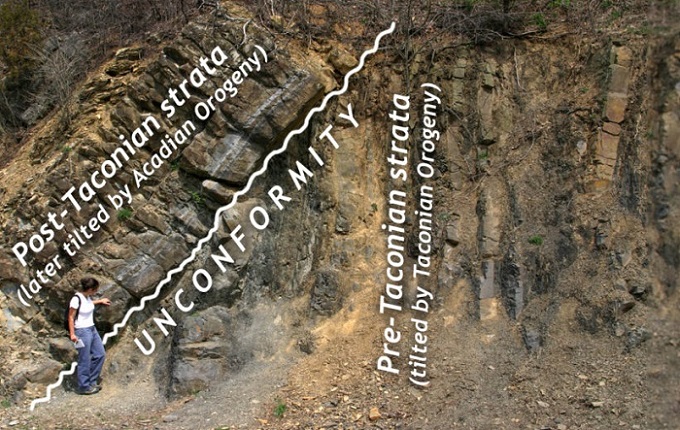
Geologically, the mountain is characterized by uniform Lower Carboniferous granite, which crystallized beneath the surface around 330 million years ago. The entire mass was subjected to uplift approximately 50 million years ago as a result of the Himalayan Orogeny. Evidence of even older rock strata, specifically Mid-Ordovician shale (475 million years old), can be found in the national park’s southern section, away from the peak.
Doi Suthep Tour
The Doi Suthep-Pui National Park, known for its granite bedrock and position within the Thanon Thong Chai Range, is a premier destination for outdoor enthusiasts. Its main attractions include Wat Phra That Doi Suthep, Doi Pui (the highest peak at 1,685 meters above sea level), waterfalls, and various viewpoints. The park is renowned for having some of the best hiking in the country, offering “endless” trails at all elevations and directions, making it equally popular for cycling.
Camping-Two primary camping areas are available within the park: one is situated by the Mon Tha Than Waterfall, close to the entrance, and the other lies to the north of the Doi Pui Hmong Village.
Also read- Heaven on Earth: Experience Railay Beach in Thailand
Attractions of Doi Suthep-Pui
Wat Phra That Doi Suthep
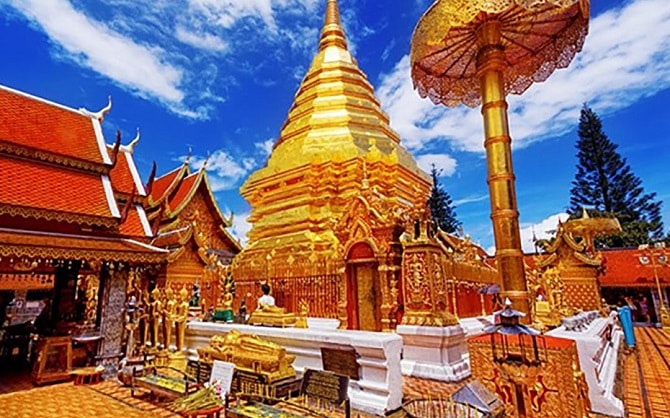
Commonly known as Doi Suthep Temple, this sacred Theravada Buddhist site is located near the peak of Doi Suthep mountain at 1,055 meters above sea level, approximately 14.5 km from Chiang Mai’s city center. The complex, which remains a working monastery, houses holy shrines, pagodas, statues, and murals. Its history dates back to the 14th century, when the first chedi was founded as a Buddhist monastery. The temple is one of the most sacred sites in the region, featuring an intriguing blend of Buddhist and Hindu influences, exemplified by a model of the Emerald Buddha and a statue of the Hindu God Ganesha.
Doi Suthep Temple
The renowned Wat Phra That Doi Suthep, a 14th-century Buddhist temple, is situated partway up the mountain (on a hill at around 1,060 meters). This important and revered site, associated with a legend of a white elephant, offers sweeping views of Chiang Mai and its surroundings. Further down the slopes lies Wat Pha Lat. This temple, founded by King Kuena of Lanna, also in the 14th century, originally served as a resting place for pilgrims traveling up to Wat Phra That Doi Suthep.
Yod Doi Pui Campsite
The main campsite is located north of Bhubing Palace, accessible via a 3.8 km road that branches right 900 meters west of the palace. The site offers basic facilities, a restaurant, and a visitor center where tents and mountain bikes can be rented. A two-person tent costs 225 Baht per night, and accessories like sleeping bags are available from 60 Baht, or a complete tent package can be rented for 405 Baht. Mountain bikes are available for 100 Baht per day. Visitors should be prepared for cold nights, as temperatures can drop to 5-6 °C.
Read- Geotourism And Modern Geotechniques
Doi Suthep-Pui National Park
Doi Suthep is part of the Doi Suthep-Pui National Park, established in 1981, which covers 261 square kilometers. The park protects the mountain, the Wat Phra That Doi Suthep temple, and the Bhubing Rajanives Palace located further up the slope. The massif’s other peak, Doi Pui, is easily accessible from Doi Suthep via a paved road or forest paths, and the surrounding area is home to Hmong hill tribe people.
How to Reach Doi Suthep, Thailand
The airport is located in the city of Chiang Mai, just a short distance from the base of Doi Suthep. The most popular and common ways to reach Doi Suthep from Chiang Mai are by taking a shared taxi (Songthaew), renting a scooter, or taking a private taxi/ride-sharing service.