 sutikshan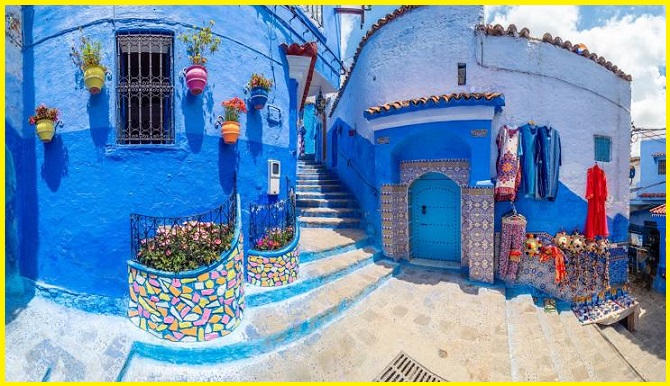
Chefchaouen Morocco
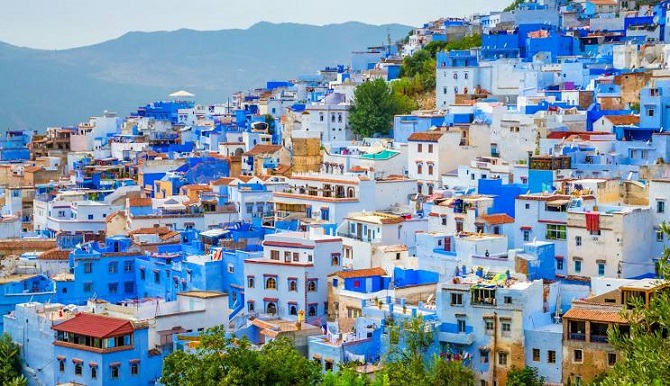
Chefchaouen is a city in northwest Morocco and the capital of the province of the same name. Renowned for its striking blue-painted buildings, it is often called the “Blue City.” Nestled in a mountainous region between Tétouan and Ouazzane, Chefchaouen is both scenic and historic. The city was founded in 1471 by Moulay Ali Ben Rachid, a distant descendant of the Islamic Prophet Muhammad. The original settlement centered around a small fortress, now known as Chefchaouen’s Kasbah, which was built to defend the area against potential Portuguese attacks, as Portugal was then targeting northern Moroccan towns and cities.
Geography
Chefchaouen is situated approximately 600 meters above sea level in the foothills of the Kaʻala mountain, in the western part of Morocco’s Rif mountain range. The city comprises the historic Medina, a walled old town, and a newer area that has developed beyond the original city walls. Geologically, the Rif Mountains are part of the Gibraltar Arc or Alborán Sea region. They are a continuation of the Baetic System, which includes the mountain ranges of southern Spain across the Strait of Gibraltar. As a result, the Rif Mountains are not part of the Atlas Mountain System.
Major cities in the wider Rif region include Nador, Al Hoceima (also known as Villa), Imzouren, Driouch, Ben Taieb, Midar, and Al Aaroui. Smaller towns in the area include Segangan, Selwan, Ajdir, and Targuist.
Tourism-During the holidays, Chefchaouen experiences a significant influx of both Moroccan and international tourists, drawn by its scenic landscapes and historical sites. Tourism is largely seasonal, with around 200 hotels in the province accommodating an increase in European visitors during the summer months. In 2018, the city welcomed an estimated 120,000 tourists. While the region was once known for its production of high-quality, low-cost cannabis, tourism has increasingly centered on the Medina’s charm and the surrounding natural environment. Nearby attractions include the Kef Toghobeit Cave, one of Africa’s deepest caves.
Chefchaouen Blue City
Chefchaouen, often called the “Blue City” or “Blue Pearl,” is famous for its striking blue-painted buildings, particularly in the old town, or Medina. Nestled in the Rif Mountains, the city offers charming streets to explore, bustling local markets, and scenic viewpoints like the Spanish Mosque, perfect for sunset views. The origins of the blue color are debated, with theories suggesting it was introduced by Sephardic Jewish refugees to symbolize the sky, repel mosquitoes, or keep homes cool.
Things to do in Chefchaouen
In Chefchaouen, visitors can wander the enchanting blue-painted Medina and its winding streets, explore the historic Kasbah Museum, and enjoy panoramic city views from the Spanish Mosque at sunset. Plaza Uta el Hammam offers local crafts and traditional mint tea. Nature enthusiasts can hike to nearby waterfalls, including Ras el Ma and the Akchour Waterfalls in the Rif Mountains.
Explore the Medina
Wander the Blue Streets: Lose yourself in the maze of narrow, blue-painted alleys, discovering hidden corners and photo-worthy spots adorned with colorful potted plants and archways. Shop in the Souks: Browse the local markets for unique handmade items such as carpets, lanterns, leather goods, and jewelry.
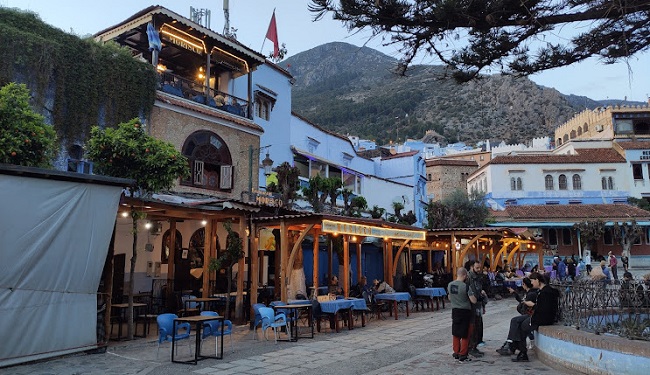
Visit the Kasbah Museum: Step inside this historic fortress to explore exhibits and artifacts showcasing the region’s rich history and culture. Relax at Plaza Uta el Hammam: Unwind in this lively central square, enjoy mint tea at a rooftop café, watch the world go by, and often listen to local music.
Experience Nature
Hike to the Spanish Mosque: Ascend the hill to this vantage point for stunning panoramic views of the blue city, particularly beautiful at sunset. Discover Ras el Ma: Visit the natural spring where the city’s water flows, a peaceful spot to relax and connect with the town’s origins. Venture to Akchour Waterfalls: Take a day trip to Talassemtane National Park to hike through serene forests and witness the photogenic Petite Cascade waterfall.
Enjoy Local Flavors
Savor Moroccan Cuisine: Enjoy traditional dishes such as tagine and couscous at local restaurants. Try Mint Tea: Sip authentic Moroccan mint tea at one of the city’s many cafés or rooftop terraces.
Chefchaouen Hotels
Chefchaouen, Morocco, offers a range of accommodations that reflect its unique charm and appeal. Here are some top-rated hotels and riads to consider-
Dar Blue Pearl
RIAD LA SANTA
Riad El Palacio & Spa
RIAD LA SANTA
Casa Blue Star
Tangier to Chefchaouen
Traveling from Tangier to Chefchaouen, Morocco is approximately 185–193 km. If you have your own car, it takes around 2.5–3.5 hours via N2 or R419 through the Rif Mountains. Bus companies operate regular services; travel time is about 4–5 hours.
Casablanca to Chefchaouen
Casablanca to Chefchaouen is approximately 550–580 km. If you have your own car, it takes 6.5–8 hours via highways A1 and N13. Bus companies operate regular services; travel time is about 8–10 hours (CTM or other bus companies).
Marrakech to Chefchaouen
Marrakech to Chefchaouen, Morocco is approximately 660–690 km. If you have your own car, it takes 8-9 hours via highways A7, A1, and N13. Bus companies operate regular services; travel time is about 10-12 hours (CTM or other bus companies).
Chefchaouen to Marrakech
Chefchaouen to Marrakech, Morocco is approximately 660–690 km. If you have your own car, it takes 8-9 hours via highways A7, A1, and N13. Bus companies operate regular services; travel time is about 10-12 hours (CTM or other bus companies).