 sutikshan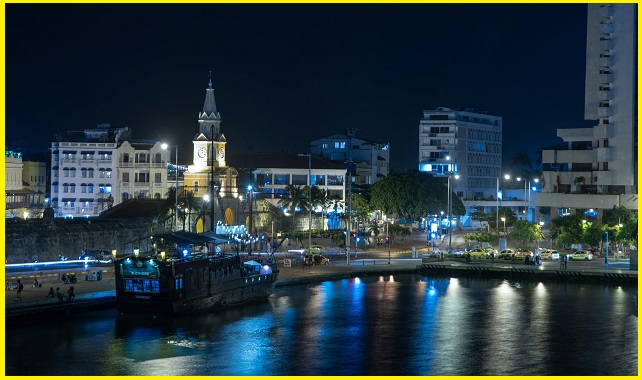
Cartagena Colombia
Cartagena, known since the colonial era as Cartagena de Indias, is a city and one of the major ports on the northern coast of Colombia in the Caribbean Coast Region, along the Caribbean Sea. Cartagena’s past role as a link in the route to the West Indies lends it significant historical value for the world’s exploration and preservation of heritage from the great commercial maritime routes. As a former Spanish colony, it was a key port for the export of Bolivian silver to Spain and for the import of enslaved Africans under the asiento system. It was defensible against pirate attacks in the Caribbean. The city’s strategic location between the Magdalena and Sinú rivers also gave it easy access to the interior of New Granada and made it a main port for trade between Spain and its overseas empire, establishing its importance by the early 1540s. During the Spanish colonial period, Cartagena had a key role in the administration and expansion of the Spanish Empire. It was a center of political and economic activity. In 1984, Cartagena’s colonial walled city and fortress were designated a UNESCO World Heritage Site.
Cartagena Weather
Cartagena has a hot and humid tropical climate, with consistently warm temperatures year-round, typically in the mid-80s °F. The city experiences two main seasons: a dry season from December to April and a rainy season from May to November.
Temperature: Daily highs average around 87°F, while lows hover near 77°F.
Humidity: Proximity to the Caribbean Sea keeps relative humidity high, often around 84%.
Seasons:
Dry Season (December – April): Generally drier with more pleasant conditions.
Rainy Season (May – November): Characterized by increased rainfall and higher humidity.
Places to visit in Cartagena, Colombia
Cartagena offers a rich mix of history, culture, and coastal charm. From its UNESCO-listed old town to nearby islands, here are some must-visit attractions:
Walled City (Ciudad Amurallada)
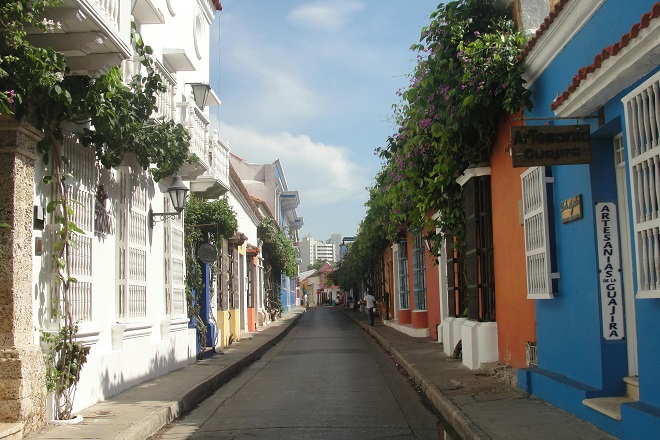
The Walled City (Ciudad Amurallada) is the historic heart of Cartagena, Colombia, and a designated UNESCO World Heritage site. Enclosed by impressive 16th–18th century defensive walls built to protect against pirates and invaders, the district is renowned for its colorful colonial architecture, cobblestone streets, and charming plazas. Today, it is one of Cartagena’s most vibrant attractions, where history blends seamlessly with lively cafés, boutique shops, museums, and cultural landmarks—offering visitors an immersive journey back in time.
Castillo de San Felipe de Barajas
The Castillo de San Felipe de Barajas is Cartagena’s most iconic fortress and one of the greatest military structures built by the Spanish in the Americas. Constructed in the 17th century on the strategic San Lázaro Hill, it was designed to protect the city from pirates and enemy invasions. Recognized as one of the Seven Wonders of Colombia, the fortress features a complex system of tunnels, ramparts, and lookout points that showcase the advanced military engineering of its time. Visitors can walk through its winding passages, climb to the top for panoramic views of Cartagena, and learn about the battles and history that shaped the city’s defense.
Getsemaní
The Garden of Gethsemane (Jerusalem): A sacred biblical site at the foot of the Mount of Olives, where Jesus is said to have prayed the night before his crucifixion. It remains a major Christian pilgrimage destination.
Getsemaní (Cartagena, Colombia): A colorful, bohemian neighborhood just outside Cartagena’s Walled City, celebrated for its vibrant street art, colonial-era architecture, and authentic local culture. Once a working-class district, it has transformed into one of Cartagena’s most dynamic and artistic quarters.
Also read- Tatacoa Desert- A Spectacular Arid Landscape in Colombia
Santuario de San Pedro Claver
The Iglesia de San Pedro Claver is a historic church located in Cartagena de Indias, Colombia. Built between 1580 and 1654 in the Spanish Colonial style, it forms part of a larger religious complex that includes the Cloister of San Pedro Claver and an archaeological museum.
The church has undergone several name changes over time: it was originally dedicated to San Juan de Dios, later became known as the Church of San Ignacio de Loyola in 1622, and is now named after Saint Peter Claver, a Jesuit priest who dedicated his life to ministering to enslaved Africans in Cartagena. Today, it serves not only as an architectural landmark but also as a symbol of compassion, faith, and human dignity.
La Popa Convent (Convento de la Popa)
The Convent, Cloister, and Chapel of Nuestra Señora de la Candelaria de la Popa are perched atop Mount La Popa, the highest point in Cartagena de Indias, Colombia. Commonly known as the Convento de la Popa or Convento de Santa Cruz de la Popa, this historic religious site offers not only a glimpse into Cartagena’s colonial past but also some of the most spectacular panoramic views of the city and the Caribbean Sea.
Rosario Islands (Islas del Rosario)
The Rosario Islands (Islas del Rosario), also known as Corales Islas del Rosario (Coral Islands of Rosario), are an archipelago located approximately 20 kilometers (12 miles) off the coast of Cartagena, Colombia. The islands are part of one of Colombia’s 46 National Natural Parks, established in 1988 to protect one of the most important coral reef systems along the Colombian Caribbean coast.
Visitors can explore the park through guided tours and enjoy a variety of activities, including swimming, snorkeling, and fishing. Isla Rosario features an aquarium and an open-sea oceanarium (oceanario) where visitors can observe marine life up close. The islands offer a mix of natural beauty, recreational activities, and conservation awareness, making them a popular destination for both relaxation and adventure.
Totumo Mud Volcano (Volcán de Lodo El Totumo)
El Totumo Mud Volcano (Volcán de Lodo El Totumo) is an active mud volcano and popular tourist attraction located near Cartagena, Colombia. It is renowned for its therapeutic and relaxing mud baths, where visitors can immerse themselves in the warm, dense mud within the crater. Local attendants often offer optional massages before guests rinse off in a nearby lagoon. The full experience typically lasts 1 to 2 hours and is a popular half-day excursion for travelers seeking a unique and rejuvenating adventure.
Bocagrande Beaches
Bocagrande, Cartagena, Colombia: These urban Caribbean beaches are popular with tourists and locals alike, featuring a tropical environment, palm-lined streets, and vibrant beachside activity, though they can be busy and lined with vendors. Boca Grande, Florida, USA: Located on Gasparilla Island State Park, these beaches are renowned for their quiet, pristine sugar-sand shores and world-class fishing opportunities, providing a serene and natural setting.
Things to do in Cartagena, Colombia
In Cartagena, you can explore the historic Walled City and Getsemaní’s colorful streets, visit the Castillo de San Felipe de Barajas, and take a day trip to the Rosario Islands or experience a mud bath at the El Totumo mud volcano. Enjoy Caribbean nightlife, indulge in delicious street food, and relax at a beach club or the modern beaches of Boca Grande.
Walled City
Wander the cobblestone streets of this UNESCO World Heritage site, admiring the colorful colonial buildings and the impressive ancient fortifications.
Castillo de San Felipe de Barajas –Climb this massive 16th-century fortress for panoramic views of the city and to learn about its colonial past. Getsemaní-Discover the vibrant neighborhood known for its lively atmosphere, street art, and historic charm. Museo de Oro Zenú-See ancient treasures and learn about the region’s history at this gold museum.
Cartagena Hotels
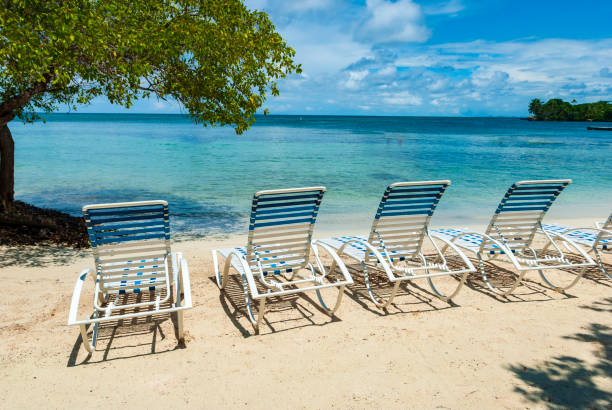
Cartagena, Colombia, has a range of hotel suggestions, from ultra-luxury to mid-range/boutique.
Flights to Cartagena
Wingo offers direct flights to Cartagena from 4 cities. The most frequent departures are: Bogotá, Medellín, San Andrés, and Balboa.
How to reach Cartagena, Colombia
To reach Cartagena, Colombia, most international travelers arrive via Rafael Núñez International Airport, which offers direct flights from several major hubs along with convenient connections through U.S. and South American cities. From the airport, you can take an official taxi to the historic city center or opt for a local colectivo (shared bus) as a more budget-friendly alternative. Within Colombia, domestic flights and long-distance buses connect Cartagena with other major destinations, while cruises also frequently dock at this important Caribbean port city.