 sutikshan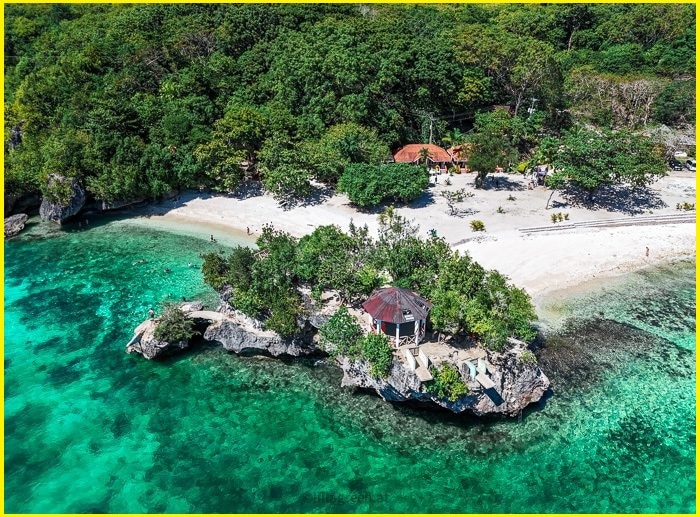
Siquijor Philippines
Siquijor, officially the Province of Siquijor, is a small Philippine island province located in the Negros Island Region. Its capital and largest town is the Municipality of Siquijor. Historically, the Spanish referred to it as Isla del Fuego (Island of Fire) because of the numerous fireflies that lit up its molave trees. The province is situated south of Cebu, southeast of Negros Oriental, southwest of Bohol, and north of Mindanao.
Geography and Topography
The island province of Siquijor features a 102-kilometer-long coastline. Located in the Bohol Sea within the Negros Island Region, it lies south of Cebu across the Cebu Strait, southeast of Negros, southwest of Bohol, and north of Mindanao.
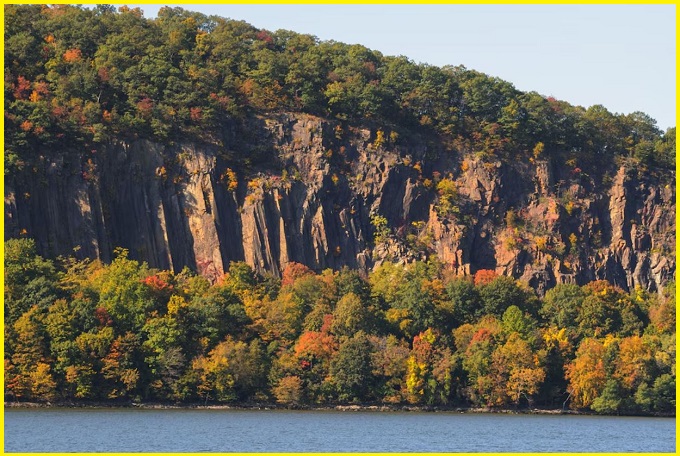
Topographically, the island is predominantly hilly, often featuring precipitous cliffs where the hills meet the sea. The highest point is Mount Malabahoc, which rises to about 628 meters at the center of the island. Evidence of marine history, such as three distinct marine terraces near Tag-ibo, is found on the southwestern coast.
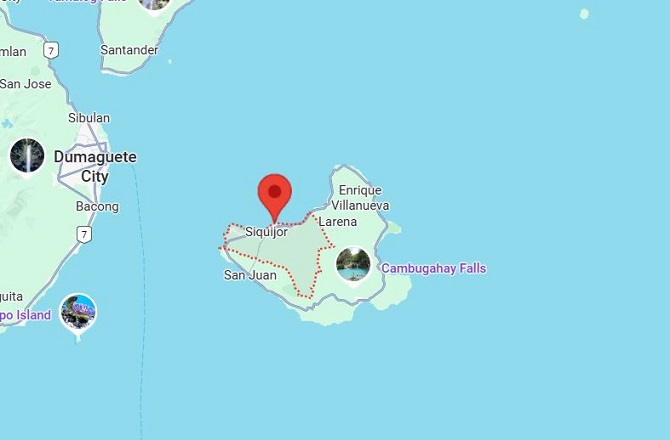
Siquijor Philippines Map
A map of Siquijor (Philippines) showing its location and layout. Bohol Sea, south of Cebu, southeast of Negros Oriental, and southwest of Bohol. The land area is about 340 km², and the population is roughly 100,000 as of the 2020 census.
Geology
Siquijor’s geology is characterized by a blend of volcanic and sedimentary rocks. The island’s core is composed of the older Late Cretaceous Kanglasog Volcanic Complex and the Early to Middle Miocene Lazi Member of the Basac Formation, which includes materials like basalt, andesite, and calcareous mudstone. Overlaying these are younger fossiliferous limestones, which form the more recent parts of the island, supporting its identification as a recently formed coralline island.
Also read- The Philippines: A Vibrant Archipelago of 7,100+ Islands
Siquijor Formation: The youngest layer, this unit is composed of massive, hard, cavernous, and fossiliferous limestone. Lazi Member (LM): This middle layer overlies the KVC and includes younger volcanic rocks interbedded with sedimentary materials like shale, mudstone, and calcareous deposits. This composition suggests ancient magma interacted with marine sediments.
Kanglasog Volcanic Complex (KVC): The island’s oldest volcanic foundation, characterized by lava flows, pillow breccias, and tuffaceous materials. Siquijor is primarily a coralline island, a formation supported by clear evidence of past sea level changes. This includes finding ancient tridacna (giant clam) fossils far inland, indicating the island was once submerged.
Siquijor Philippines Attractions
Siquijor offers a variety of compelling attractions, starting with the famous Cambugahay Waterfalls, where visitors can enjoy rope swings. For pristine beaches, Paliton Beach is known for its white sand and clear waters. The island also features unique natural sites like the ancient Old Enchanted Balete Tree, which hosts a natural spring, and panoramic views from Mount Bandilaan. Snorkeling is excellent in vibrant marine sanctuaries such as Tubod. Additional highlights include the underground Sambulawan River and other picturesque waterfalls like Lugnason Falls.
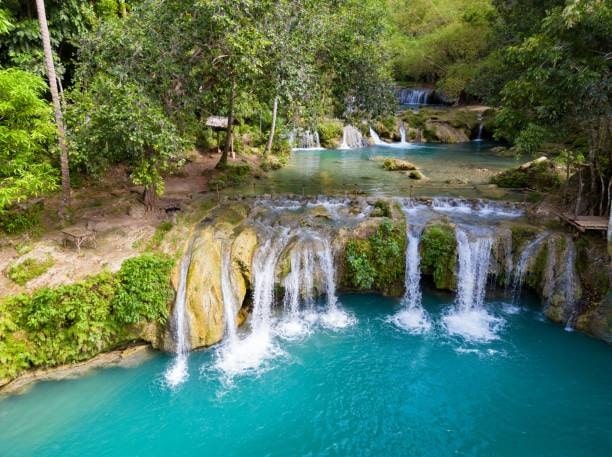
Cambugahay Waterfall
This multi-tiered waterfall is a haven for fun, famous for its rope swings, excellent diving opportunities, and stunning, clear turquoise pools. The best activity in Cambugahay waterfalls is the swimming area.
Old Enchanted Balete Tree
A mystical, approximately 400-year-old tree where visitors can enjoy a unique and free fish spa provided by fresh fish from the surrounding spring.
Lugnason Waterfalls
Offers a peaceful atmosphere and features unique, brain-like rock formations alongside a small river.
Things to do in Siquijor, Philippines
Siquijor captivates visitors with a vibrant blend of nature, adventure, and culture. Key highlights include the multi-tiered Cambugahay Falls; thrilling cliff-diving at Salagdoong Beach; snorkeling in the Tubod Marine Sanctuary; and cultural visits to the historic Lazi Church and Convent. Nature lovers can also explore the ancient Old Balete Tree (famous for its fish spa), the beautiful sands of Paliton Beach, the mysterious Cantabon Cave, and the scenic vistas from Mt. Bandilaan National Park.
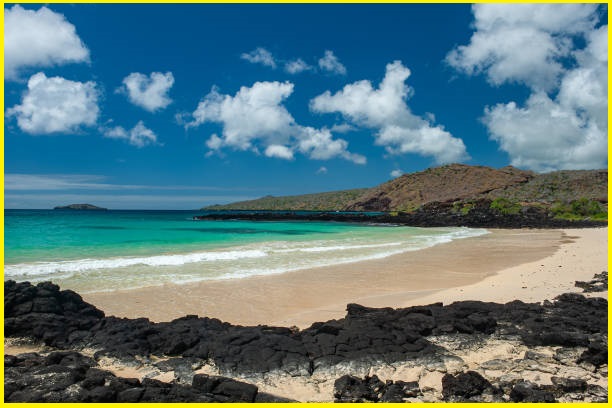
Salagdoong Beach: Famous for its crystal-clear waters and thrilling concrete diving platforms, perfect for jumping straight into the sea. Paliton Beach: A serene tropical getaway. This spot is lined with palm trees, making it ideal for relaxing and enjoying the beautiful scenery.
Also read- Business leaders’ Success story
Tubod Marine Sanctuary: Excellent for snorkeling and diving, this protected area boasts vibrant coral gardens and diverse underwater life. Tulapos Marine Sanctuary: Another popular spot for observing a variety of sea creatures in clear, protected waters.
Mt. Bandilaan National Park: Home to the island’s highest peak. A short climb leads to a viewing tower, offering breathtaking panoramic views of Siquijor. Siquijor Butterfly Sanctuary: Located near Mt. Bandilaan, this sanctuary is dedicated to preserving and showcasing various butterfly species.
Siquijor Philippines Resorts
Here are some popular resorts in Siquijor, Philippines, based on current availability and ratings-
Coco Grove Beach Resort
Tahanan Resort
The Bruce
White Villas Resort
How to Reach Siquijor, Philippines
The most direct way to reach Siquijor is to fly into Dumaguete Airport (DGT). From there, take a brief tricycle ride to Dumaguete Port, followed by a 1 to 2-hour ferry crossing to Siquijor Island. Alternatively, travelers flying into Cebu or Bohol can opt for a longer, direct ferry ride to Siquijor or connect via the Dumaguete route.