sutikshan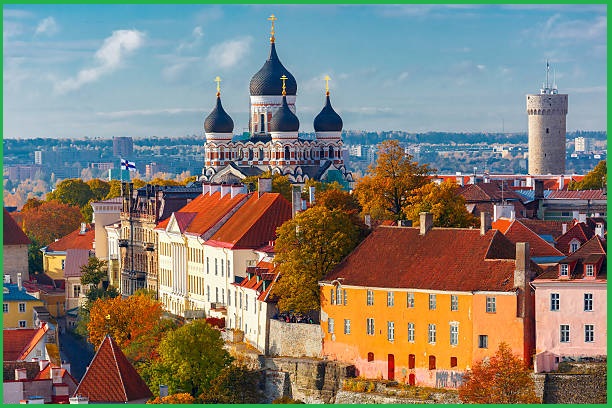
Estonia
Estonia, a Northern European nation, is renowned for Tallinn’s beautifully preserved Old Town, its highly advanced digital society, and scenic landscapes of forests and lakes. A parliamentary republic and member of both the EU and NATO, it shares borders with Russia and Latvia, while being flanked by the Baltic Sea and the Gulf of Finland. Estonia also stands out for its unique e-Residency program, with Estonian as its official language.
Geography
Situated in Northern Europe, Russia borders Estonia to the east, Latvia to the south, the Baltic Sea to the west, and the Gulf of Finland to the north. Its landscape, shaped by ancient glaciers, is dotted with countless lakes, vast forests, and over 1,500 islands, including the larger ones of Saaremaa and Hiiumaa. Estonia hosts a rich variety of wildlife, from brown bears, wolves, and lynxes to beavers, wild boars, moose, and several deer species.
The Estonian coastline stretches for 3,794 km, marked by limestone cliffs in the north and dotted with its many islands. In total, Estonia has 2,355 islands—including 2,222 in the Baltic Sea—of which Saaremaa and Hiiumaa are the largest. The terrain is largely flat, averaging about 50 metres above sea level. While the north and west are dominated by plains, the south and east are hillier, with Suur Munamägi in the Haanja Upland rising as the country’s highest peak at 318 metres.
Estonia Weather
Estonia experiences a temperate climate with four distinct seasons of nearly equal length, shaped by the influences of the Atlantic Ocean and the Baltic Sea. Summers are generally mild, averaging around 18 °C, while winters are cold, with temperatures often dropping below freezing, particularly inland. Rainfall is moderate, peaking in late summer, and because precipitation exceeds evaporation, the climate is typically humid.
Summers (June–August): Warm and pleasant, with daytime highs typically around 21 °C.
Winters (December–February): Cold, with average February temperatures near –5 °C.
Inland areas experience more extreme temperatures, with hotter summers and colder winters than the coastal regions.
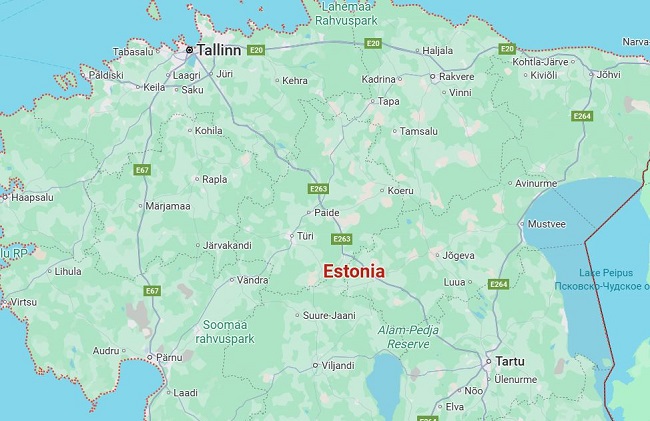
Estonia Map
Located in northeastern Europe, Estonia extends into the Baltic Sea, which borders it to the north and west.
Estonia Beaches
Estonia boasts a variety of beaches, ranging from Pärnu’s lively resort atmosphere to Tallinn’s urban stretches like Pirita, as well as the unspoiled shores of Lahemaa National Park. Pärnu Beach is especially popular for its shallow waters and long boardwalk, while Pirita Beach in Tallinn offers sandy shores framed by pine forests. For a quieter escape, Võsu Rand in Lahemaa offers a peaceful setting, whereas Narva-Jõesuu is renowned for its classic holiday atmosphere. Stroomi Beach, close to central Tallinn, is another convenient favorite for locals and visitors alike.
Also read- Dubrovnik: UNESCO’s Jewel on Croatia’s Coast
Pärnu Beach
Known as Estonia’s “summer capital,” Pärnu is a popular resort destination featuring a long stretch of white sand, a lively boardwalk, and plenty of watersport opportunities.
Pirita Beach (Tallinn)
Tallinn’s largest sandy beach, Pirita combines views of the city skyline with pine forests, volleyball courts, and a scenic promenade.
Narva-Jõesuu Beach
Set against a backdrop of pine trees, this beach offers a peaceful vacation atmosphere ideal for relaxation.
Võsu Rand (Lahemaa National Park)
A tranquil sandy beach with shallow waters, Võsu is especially loved for its stunning sunsets.
Stroomi Beach (Tallinn)
Conveniently close to central Tallinn, this beach is easily reached by public transport, making it a favorite spot for locals.
Paralepa Beach
Among the warmest beaches in Estonia, Paralepa offers family-friendly amenities including changing rooms, a playground, and a volleyball court.
Estonia’s Beautiful Places
Estonia is full of diverse and beautiful destinations, from the fairytale-like medieval streets of Tallinn’s Old Town and the intellectual charm of Tartu to the seaside resorts of Pärnu and the island treasures of Saaremaa and Hiiumaa. Nature enthusiasts can immerse themselves in the untouched beauty of Lahemaa and Soomaa National Parks, while history lovers can step back in time at landmarks such as Narva Castle.
Tallinn Old Town
Tallinn Old Town is the oldest part of Estonia’s capital and one of the best-preserved medieval city centers in Europe. Retaining its original 13th-century layout of Hanseatic origin, it offers an exceptionally intact glimpse into the past. Since 1997, the Old Town has been listed as a UNESCO World Heritage Site. Enclosed by the historic Walls of Tallinn, the area covers 113 hectares, with a protective buffer zone of 2,253 hectares. A UNESCO World Heritage Site, Tallinn’s Old Town enchants with cobblestone streets, medieval architecture, and a storybook atmosphere.
Tartu
Tartu is the second-largest city in Estonia after Tallinn, with a population of 97,759. Located 186 kilometres southeast of Tallinn and 245 kilometres northeast of Riga, Latvia, the city sits along the Emajõgi River, which links Estonia’s two largest lakes—Lake Võrtsjärv and Lake Peipus. From the 13th century until the late 19th century, Tartu was widely known by variations of its historical name, Dorpat.
Narva Castle
Narva Castle is one of Estonia’s most diverse and best-preserved fortresses. Covering an area of 3.2 hectares, its most prominent feature is the 51-metre-high Tall Hermann Tower, which dominates the skyline.
Rakvere Castle
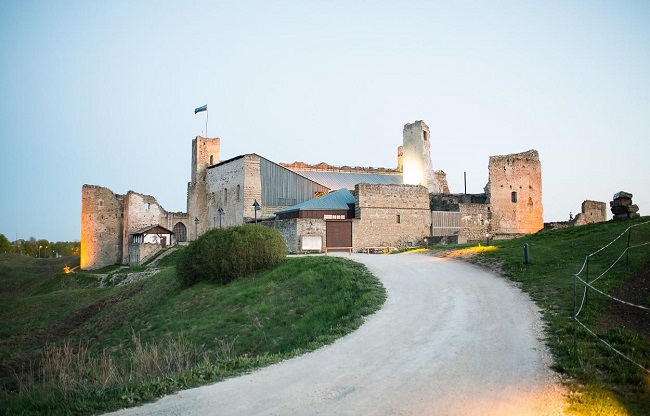
The earliest archaeological evidence of a fortress on Rakvere’s Vallimägi Hill dates back to the 5th–6th centuries. Over the centuries, Rakvere Castle came under the rule of Danish kings, the knight-monks of the Livonian Order, and later both the Swedish and Polish states. During the Polish-Swedish War (1600–1629), the castle was partially destroyed—first by Polish troops in 1605, and later by the Swedish army. Since then, it has remained in ruins.
Viljandi
Celebrated as the city of folk music, Viljandi combines cultural charm with scenic surroundings and vibrant festivals.
How to reach Estonia
To travel from India to Estonia, the most convenient option is to fly to Tallinn Airport (TLL), usually via major European hubs such as Helsinki, Frankfurt, Warsaw, or Istanbul. From Helsinki, you can also take a short ferry ride to Tallinn, while international bus services connect Estonia with nearby countries like Latvia, Lithuania, and Poland for budget-friendly travel. Frequent flights from major European cities make reaching Estonia straightforward and accessible.