 sutikshan
Antelope Canyon
Antelope Canyon, located near Page, Arizona, in America, is home to one of nature’s most wondrous creations. Carved from the red sandstone for millennia by seasonal flood rains and wind, the canyons are narrow passageways that lead several hundred feet away from the mouth or opening. The gorgeous sloping angles of the rocks, coupled with the beam of light, make their way down from the rim of the canyon.
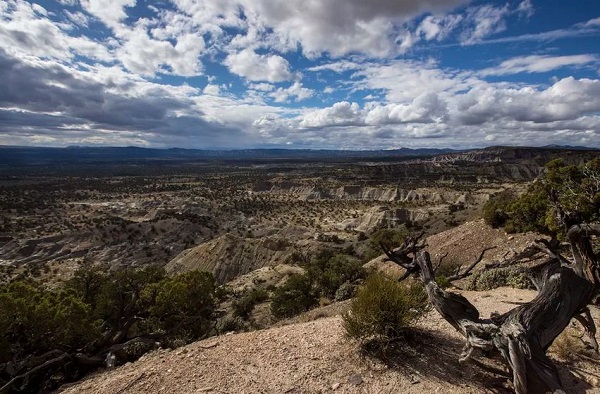
Antelope Canyon, an intermittent creek that now empties into the Colorado River, would erupt in turbulent flash floods that wash away the sandstone rock face, followed by hot, dry periods, especially sandstorms, which buffed the canyon walls to a striated and intricate shape. This natural process of erosion continues to be a part of Antelope Canyon’s ongoing evolution.
Antelope Canyon is an example of a geological process known as a “slot canyon.” As per the name slot, canyons are tiny canyons formed when water finds its way into a crack or fissure in the bedrock. Occurring mostly in deserts or low rainfall areas, a slot canyon is the result of thousands of years of the weathering process.
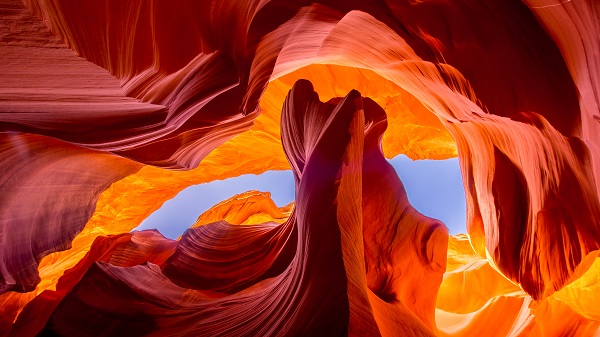
Slot Canyons
Slot canyons in the Page, Arizona area are located on Navajo Indian Tribal Lands. To see the complexity of these unique geological formations, and the power of the natural forces that created them, consider bundling your Antelope Slot Canyon tour with a boat tour of the canyon’s waterside from Antelope Point Marina.
Also Read- Geotourism And Modern Geotechniques
Slot canyons and regular canyons are like the Grand Canyon. Both are carved by water, but in the case of slot canyons, that water is not in a gentle flow. It is the fast and furious flash floodwaters. The floodwaters that created Antelope Canyon come from thunderstorms over a mesa some fifteen miles away from the canyon. The swirling water carved the unusual curves and canyon in the sandstone remains of prehistoric dunes.
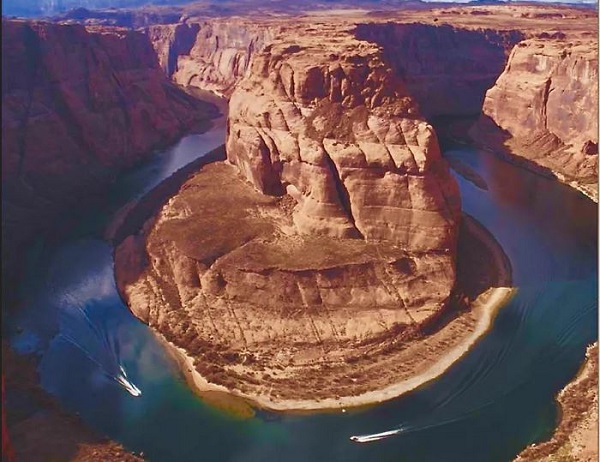
Antelope Canyon consist Two Canyons
Antelope Canyon site consists of two Slot canyons, the Upper Canyon and the Lower Canyon. The entire area is located on land owned by the Navajo Nation, whose people have lived there for hundreds of years. The canyons can be accessed only through guided tours with knowledgeable persons or Navajo guides. The Upper Canyon is known in the Navajo language as “Tse bighanilini, or “the place where water runs through rocks.” Upper Antelope Canyon is the most famous section in this region. A mere 90 meters in length, it sees hundreds of thousands of tourists a year.
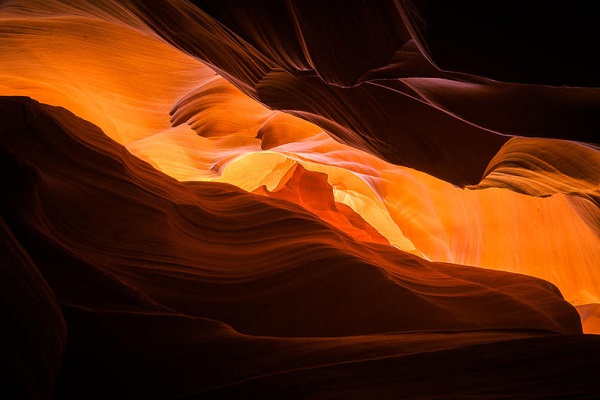
The Lower Antelope Canyon, called “Hazdistazi” in the Navajo language, meaning “spiral rock arches requires visitors to climb up and down a series of staircases, and the canyon floor is narrower. Lower Antelope Canyon sees slightly fewer people due to its physical challenges, but is as popular as Upper Antelope Canyon. In reality, Antelope Canyon is a complex, multi-faceted ecosystem with multiple drainages funneling water. Some famous Antelope Canyon is-
- Antelope Canyon X
- Cardiac Canyon
- Mountain Sheep Canyon
- Rattlesnake Canyon
- Owl Canyon
- Mystical Antelope Canyon
Photographer’s Dream Location
The striking orange-red of the rock walls, the intricate shapes, and the stunning shafts of light streaming into the canyon have made Antelope Canyon the best spot for photographers. Photographer Peter Lik took a black-and-white photograph inside Antelope Canyon.
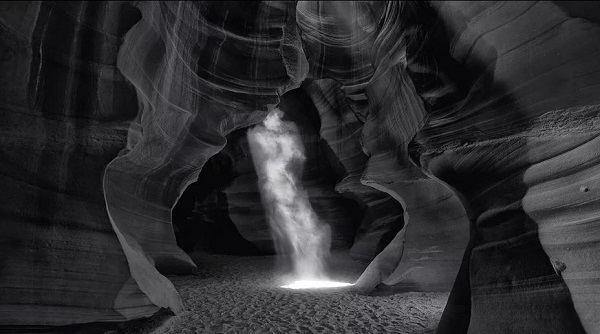
It shows a light beam playing on dust and sand that pours into the canyon’s slot opening. This photograph sold for a staggering $6.5 million, making it the most expensive photo ever sold.
Also read- Geo-heritage Monument: The Magnificent Eddy Current Markings of Panchmahal
How to reach Antelope Canyon
To reach Antelope Canyon, fly into Phoenix (PHX) or Flagstaff (FLG) and drive to Page, Arizona, the main hub; then book an essential guided tour with a Navajo operator from Page, as access is on Navajo land and requires a 4×4 vehicle to the entrance. Tours take you from a designated meeting point (often off Highway 89/98 near Page) into the canyon, requiring booking, especially in peak seasons.