 sutikshan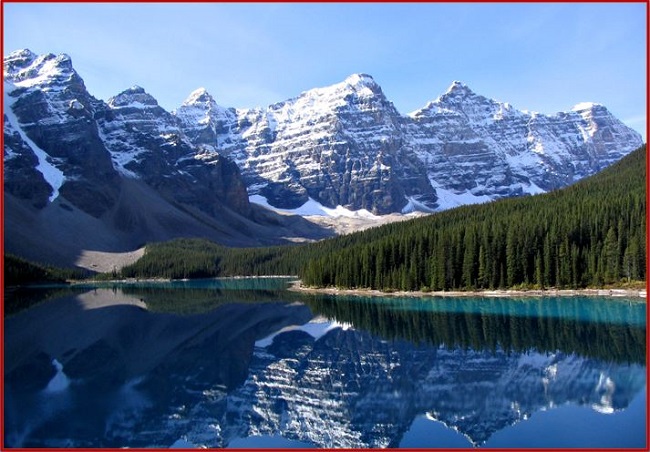
The Rocky Mountains
The Rocky Mountains form the Cordilleran backbone of the great upland system that dominates the western North American continent. The ranges included in the Rockies stretch from northern Alberta and British Columbia southward to New Mexico, a distance of some 4,800 km. In places, the system is 300 or more miles wide. The Rockies are bordered on the east by the Great Plains and on the west by the Interior Plateau and Coast Mountains of Canada and the Columbia Plateau.
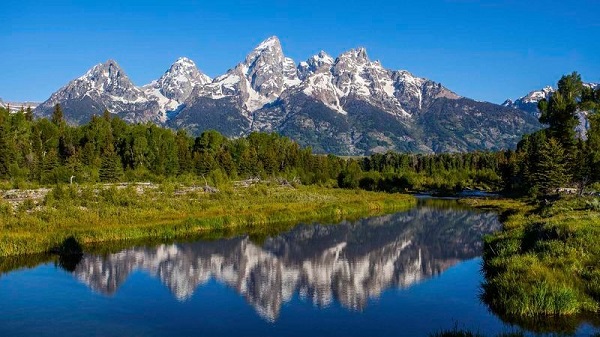
The Rocky Mountains consist of over a hundred smaller mountain ranges, which are subdivided into-
- The Canadian Rockies
- The Northern Rockies
- The Middle Rockies
- The Southern Rockies
Rocky Mountain National Park
Rocky Mountain National Park is located in Colorado in the Southern Rockies and covers 265,769 acres of wilderness. The park was established in 1915 when President Woodrow Wilson signed the Rocky Mountain National Park Act. The park is known for its diverse wildlife, different ecosystems, and scenic views.
Geology
The Ancestral Rocky Mountains, which existed in the late Paleozoic between 320 million to 280 million years ago, were formed during the time when Africa and North America were coming together. These mountains eventually eroded, leaving behind layers of sedimentary rock. About 80 million to 40 million years ago, these rocks were uplifted once more, forming the current Rocky Mountains.
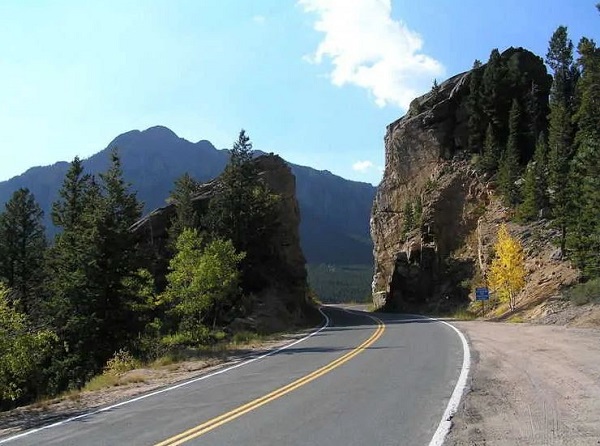
The mountains that make up the park, along with the rest of the Rocky Mountains, were uplifted during the Laramide Orogeny, starting around 70-80 million years ago and ending roughly 35 million years ago. More recently repeated glaciation events during the last several million years eroded thousands of feet of rock and sediment. This significant erosional period proceeded to carve the region, shaping the peaks and valleys we see today. Wide U-shaped valleys leading to broad cirques, steep arêtes, and tall mountain peaks are characteristic features found throughout the park.
Also Read- Amazon Rainforest: Explore the Richest Biodiversity on Earth
Glaciation
Glaciation is one of the strongest erosional forces on the planet and is responsible for shaping Rocky Mountain National Park as it is today. Rocky Mountain National Park is defined by its many broad U-shaped valleys instead of steep V-shaped valleys, which come from rivers and streams carving out steep canyons. At the edges and ends of these valleys are depositional features called moraines, which are the dumping grounds of glaciers, composed of rocks of various sizes and glacial flour that were once trapped in the ice.
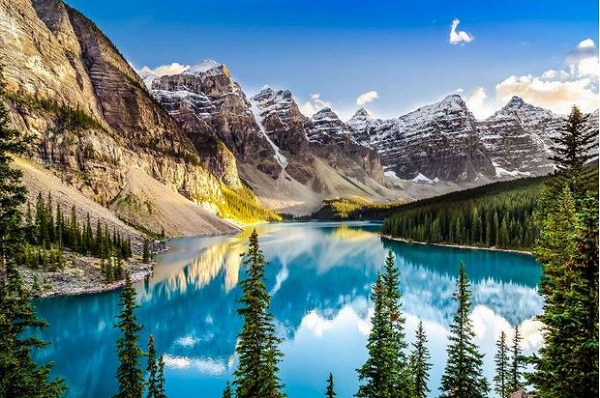
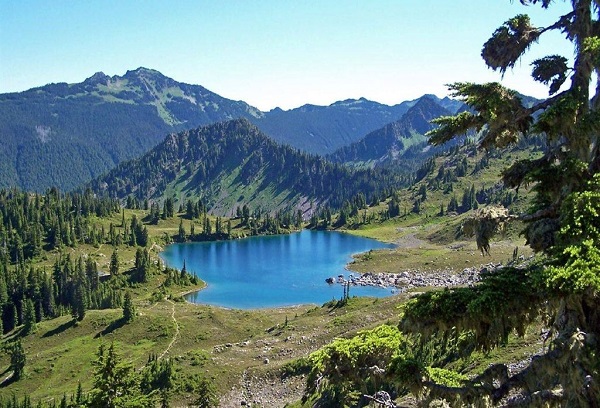
The main attraction of the Rocky Mountains is hiking its 350-some miles of trails that wind through pine and spruce forests, glittering alpine lakes, swaths of wildflowers, and, if you’re lucky, some elk or bighorn sheep. The Rocky Mountains are an easy nature hike around crystal clear mountain lakes to daring rock scrambles up waterfalls and mountains.
Rocky Mountain National Park is situated about 75 miles north of Denver. Millions of visitors from across the globe have come to marvel at the splendor of the natural beauty of the Colorado Rockies. The park is actually the 3rd most visited park in the United States.
Read- Geotourism And Modern Geotechniques
How to reach the Rocky Mountains National Park
To reach Rocky Mountain National Park, fly into Denver (DEN), then drive (about 1.5 hrs) or shuttle to Estes Park, the main gateway town, via Highways 36 or 7; from there, access the park’s main Beaver Meadows (Hwy 36) or Fall River (Hwy 34) entrances, remembering to book timed entry permits online during peak seasons