 sutikshan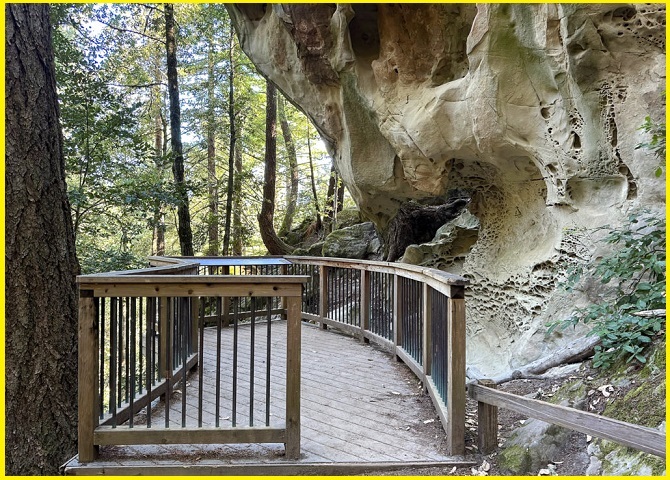
The Tafoni Sandstone Monolith
The Tafoni Sandstone Monolith in the El Corte de Madera Creek Open Space Preserve near Redwood City, California, is one of the most famous examples of this unique geological feature in the United States. The Tafoni sandstone monolith is a skull-like formation that was crafted over thousands of years by the unique tafoni weathering process, resulting in a distinctive honeycomb pattern.
Tafoni are globally distributed geological formations, most commonly found in intertidal zones and semi-arid, dry climates. The resulting honeycomb effect is caused by variations in the freezing and drying of moisture.
Geological Origin (The Rock)
The monolith is composed of Vaqueros Sandstone originated approximately 30 to 40 million years ago (Oligocene to Miocene Epochs). Ancient Environment: At that time, this area of the Santa Cruz Mountains was a deep marine basin—the sandstone layers were created from sediments (sand and silt) eroded from an ancient shoreline, which collected and were compacted on the continental shelf.
Uplift: Over millions of years, the layers were uplifted and driven north as a result of the massive tectonic forces associated with the San Andreas Fault system. This brought the marine rock deposits to their current high elevation. Composition: The rock is essentially coarse-grained sandstone cemented together by minerals like calcium carbonate (calcite). This porous nature is key to its eventual sculpting.

Tafoni Weathering Process
The intricate, “Swiss-cheese” or honeycomb pattern is the result of tafoni weathering, a polygenetic process (involving multiple mechanisms) that occurs over thousands of years.
The Climate Cycle (Wetting & Drying)-The Mediterranean climate of the California coast, with its wet winters and long, dry summers, is the primary driver: Wet Season (Winter): Slightly acidic rainwater soaks into the porous sandstone, dissolving the calcite cement that holds the sand grains together. Dry Season (Summer): As the moisture evaporates from the rock face, it draws the dissolved minerals (like calcium carbonate) toward the surface.
Case Hardening and Core Softening
This movement of minerals creates a critical difference in the rock’s structure:
Case Hardening: At the surface, the evaporating water deposits a concentration of minerals, creating a hard, durable outer crust (a duricrust). Core Softening: The movement of water leaches minerals from the rock’s interior, leaving behind a softer, less-cemented core beneath the crust.
Also read- Diana’s Punchbowl: Geothermal Wonder in USA
The Cavity Creation (Erosion)
The tafoni process begins when the hard outer crust is breached (by cracking, frost, or wind):
The soft, weakened material in the interior erodes much faster than the hardened crust, carving out rounded hollows and pits. Positive Feedback Loop: The resulting depressions trap more moisture (especially coastal fog), which accelerates the chemical and physical weathering inside the cavity, causing the tafoni to grow and coalesce into the complex honeycomb structure.
The “Skull” Appearance
The monolith itself is a result of differential erosion of the surrounding, less-resistant rock. Its current, massive shape, combined with the large, deep, rounded hollows (tafoni), has naturally led observers to describe it as resembling a giant skull or a foreboding mask among the trees.
Also Read- Business Leaders’ Success Story
The monolith is considered very fragile, and visitors are asked not to touch or climb the formation to preserve the delicate erosional structures.
How to reach The Tafoni Sandstone Monolith
To reach the Tafoni Sandstone Monolith, park at Skagg’s Point vista point on Highway 35 (Skyline Boulevard) and walk to the trailhead. From there, follow the marked trails, which involve a roughly two-and-a-half-mile hike through El Corte de Madera Creek Open Space Reserve. Be prepared for uneven, sloped terrain and a popular trail with mountain bikers.