 sutikshan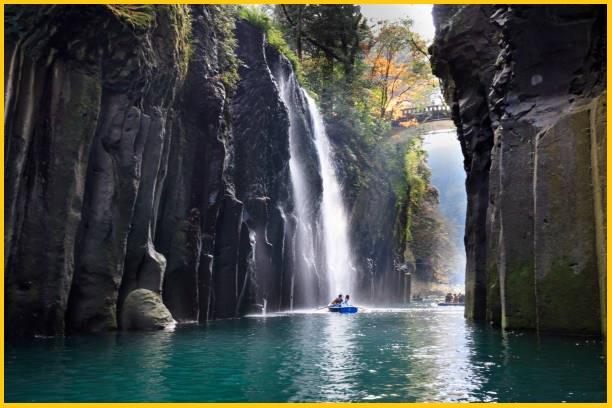
Miyazaki Prefecture
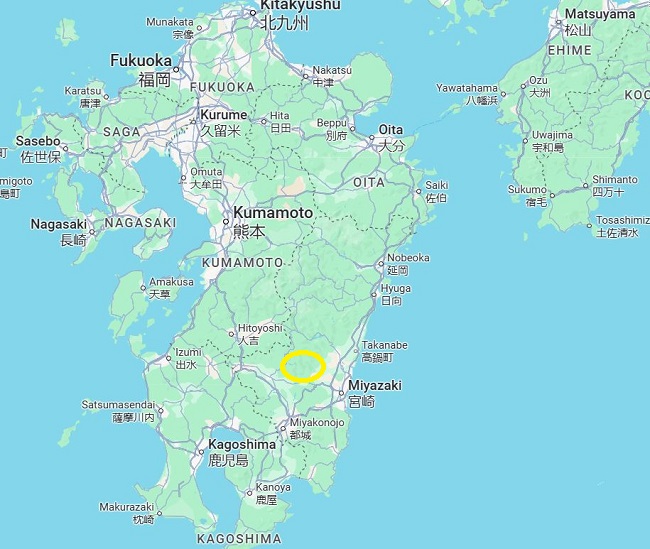
Miyazaki Prefecture, located on the southeastern coast of Kyushu, Japan, faces the Pacific Ocean to the south and east. It shares borders with Oita Prefecture to the north and Kumamoto and Kagoshima Prefectures to the west. The capital and largest city is Miyazaki, alongside other notable cities such as Miyakonojo and Nobeoka, and Hyūga.
Renowned for its unique natural features, Miyazaki is one of only two places in the world where the rare fungus Chorioactis geaster grows. It is also the birthplace of the hyuganatsu fruit and home to two virgin forests of the palm Livistona chinensis. The Aoshima islet, in particular, hosts the northernmost reproducing population of this palm species within its native range. About 12% of the prefecture’s land area is designated as Natural Parks, including Kirishima-Kinkōwan National Park and the quasi-national parks.
Geology
Miyazaki Prefecture in Japan is geologically significant, shaped by volcanic activity, dramatic coastal formations, and active fault lines. Notable features include Takachiho Gorge, carved by ancient volcanic eruptions, and the Aoshima Facies, a geological formation that reveals fan-delta deposits and sediment-gravity flows. The region has also been the site of major seismic events, such as the 1662 Hyuga-nada earthquake, which triggered a large tsunami and is associated with ongoing shallow slow earthquakes. Takachiho gorge features impressive jointed column walls created by volcanic eruptions from Mount Oso approximately 90,000 years ago.
Miyazaki Prefecture Map
The map of Miyazaki Prefecture, Japan, displays all counties with their boundaries, the prefecture’s boundary, and the location of its capital city.
Miyazaki Prefecture Tourist Attractions
Miyazaki, blessed with the warm climate of southern Kyushu, is a beloved resort destination. Its sweeping coastline draws visitors from around the world to some of Japan’s finest golf courses and premier surfing spots. Beyond the beaches, the region is rich in cultural heritage, with ancient shrines and historic landmarks that echo the legends and mythology of Japan. And no visit is complete without savoring local specialties—sweet, sun-ripened mangos.Visitors can also explore Udo Shrine, dramatically set within a seaside cave, and the picturesque Aino region, celebrated for its rejuvenating hot springs and scenic trekking trails.
Takachiho Gorge
Takachiho gorge is a dramatic, narrow chasm carved by the Gokase River. Its steep cliffs are composed of volcanic basalt columns, intricately twisted and patterned, resembling the scales of a mythical dragon. Midway through the gorge, the 17-meter-high Minainotaki Waterfall plunges into the river below, creating a breathtaking scene framed by lush green foliage and the striking grey cliffs.
Aoshima Island
Aoshima Island often called “Cat Island,” is a small island in Ehime Prefecture, Japan, famous for its large population of cats and very few human residents. Situated in the Seto Inland Sea, the island was once a fishing village, and cats were originally brought in to help control rodents.
Things to do in Miyazaki Prefecture
Miyazaki Prefecture offers a diverse range of attractions, from breathtaking natural landscapes to cultural landmarks and luxury resort experiences. Highlights include the scenic Takachiho Gorge, the picturesque Aoshima Island with its iconic shrine, and the world-class Phoenix Seagaia Resort. Visitors can also discover the cliffside Udo Shrine, admire the stunning views along the Nichinan Coast, and experience the historic charm of Miyazaki Shrine.
-
Takachiho Gorge – A spectacular canyon carved by volcanic rock erosion, renowned for its crystal-clear river and sheer basalt cliffs.
-
Aoshima Island – Known for the striking “Devil’s Washboard” rock formations and the serene Aoshima Shrine nestled among subtropical plants.
-
Nichinan Coast – A picturesque stretch of shoreline perfect for scenic drives, offering panoramic views from spots like Horikiri Pass.
How To reach Miyazaki Prefecture
To Reach Miyazaki Miyazaki Bougainvillea Airport is the main gateway. Direct domestic flights are available from major cities like Tokyo (Haneda & Narita), Osaka (Itami & Kansai), Fukuoka, and Nagoya. Limited international flights may operate seasonally from cities in South Korea, Taiwan, or China.