 sutikshan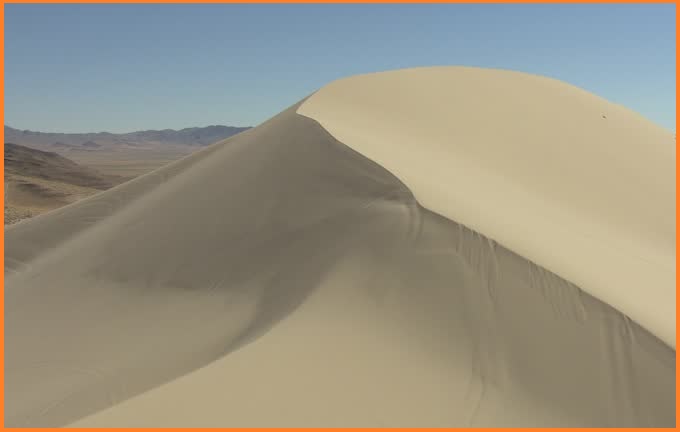
Sand Mountain
Sand Mountain is a remarkable “singing” dune situated about 32 km east of Fallon, Nevada, along U.S. Route 50. Extending nearly two miles and reaching a height of 180 m, it is part of a sand field that spans roughly 3.25 square miles. The dune’s sand originates from deposits left by ancient Lake Lahontan, which mostly dried up around 9,000 years ago.
Sand Mountain is a sinuous transverse dune formed from beach sands of Ice Age Lake Lahontan, accumulated here by southwesterly winds. In Stillwater Northern Paiute tradition, the dune is known as Panitogogwa—a giant rattlesnake moving northeast with the wind at its back. The sound of the snake as it travels toward its burrow is reflected in the natural “singing” phenomenon that geologists associate with the dune.
Also read- Geotourism And Modern Geotechniques
How Sand Mountains Form and Attraction
Sand Mountain is formed by the movement and accumulation of windblown sand that the rising Stillwater Mountains trap to the north, east, and west. Sand Mountain is the most prominent feature of the dune system. It stretches 3 km in length, 1.5 km in width, and rises about 180 meters high, making it the largest single dune in the Great Basin. The recreation area also includes the historic Sand Springs Pony Express Station (established in 1860) and the Sand Springs Desert Study Area.
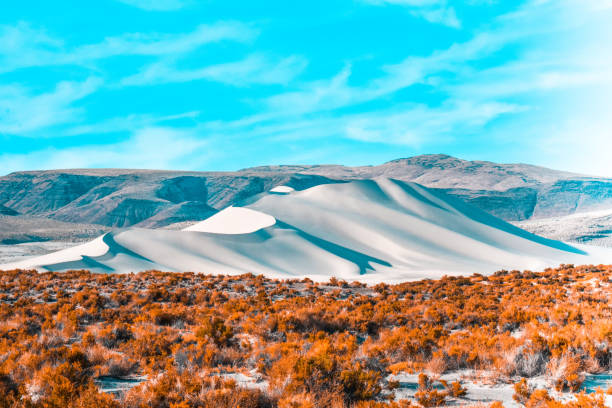
Beyond off-highway vehicle (OHV) use on the open dunes, visitors can explore 23 miles of designated trails created in 2008 to help preserve the Kearny buckwheat habitat and protect the Sand Mountain blue butterfly, a species found only in this region.
Singing Sand Dunes
Sand Mountain is one of only a few singing dunes in the world. The sound, which can last for minutes, is caused by acoustic vibrations produced when the dry sand shifts, often described as a low humming, booming, or rumbling noise. It produces a low-frequency hum or roar—up to 105 decibels—when dry sand cascades down its face, caused by friction between sand grains.
Also read- Incredible Salina Canyon Unconformity: Nature’s Dramatic Time Gap Exposed
How to Reach Sand Mountain
Sand Mountain, Nevada, is located approximately 25 miles southeast of Fallon along U.S. Highway 50. It is accessible by taking Sand Springs Summit Road (a marked gravel road) off Highway 50, which leads directly to the Bureau of Land Management (BLM) recreational site. The area is remote, featuring dunes, OHV trails, and primitive camping.