 sutikshan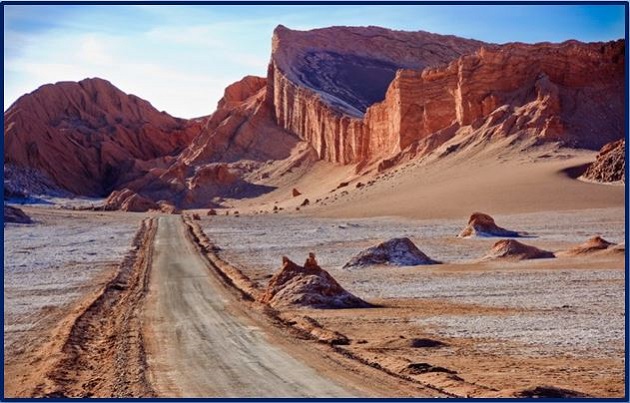
Valley of the Moon
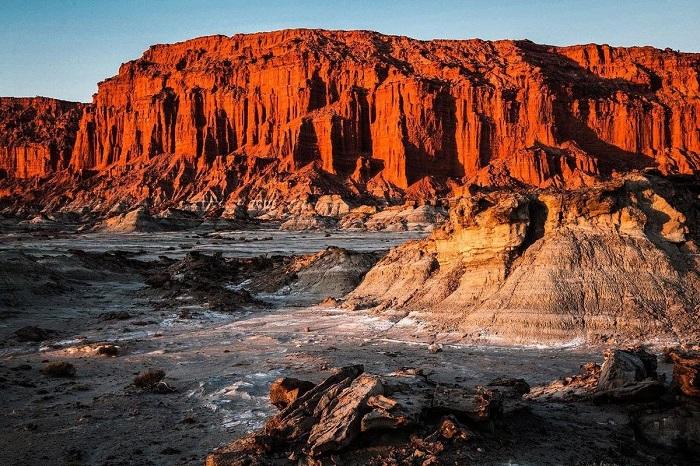
Argentina’s Valley of the Moon is a completely different landscape on Earth. However, I am telling you it does match a landscape that’s not on Earth. It has similar features to those of the moon; this valley derives its name and its formations from the same rock that flies around the Earth’s orbit. Valley of the Moon, Argentina, or Ischigulasto national park, is situated northeast of San Juan, Argentina. The national park is known as “Moon Valley” because of its grey sand and its rock formations that look like they came from space.
Valley of the Moon is also known as the “Painted Valley”, due to its colourful sedimentary formation. The whole valley is situated within Argentina’s Monte eco-region, a warm scrub desert along the Eastern Andean foothills.
Valley of the Moon, Argentina-Geological Age
Valley of the Moon, Argentina, is an attractive mountain with a scientific treasure of global importance. It consists of the sedimentary Triassic Basin, of continental sediment deposition. This Basin has a complete record and sequence of plant and animal life in the geological period from roughly 250 to 200 million years ago.
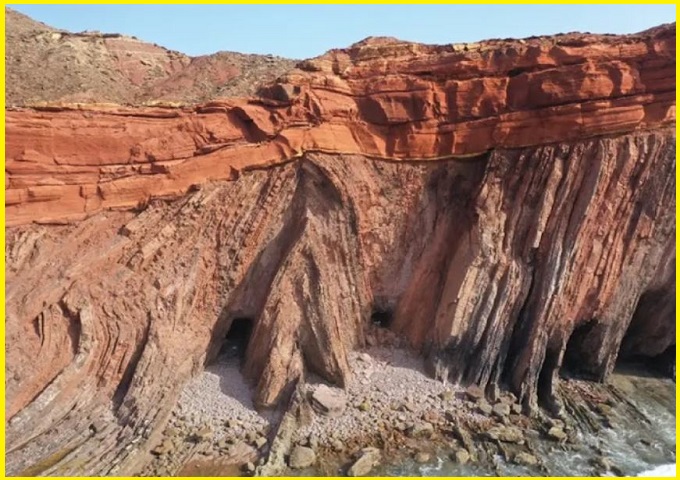
Unsurprisingly, scientists have found fossils of various dinosaur species, buried here millions of years ago. The park was also included in UNESCO’s World Heritage list. Valley of the Moon landscape features include red sandstone cliffs reaching 200 meters in height, a white and multi-coloured sedimentary rock, that’s made landscape named “Valle de la Luna” or “Valley of the Moon, Argentina”.
Also read- The Magnificent “Welded Tuff” Geoheritage Site in the Jodhpur Fort area
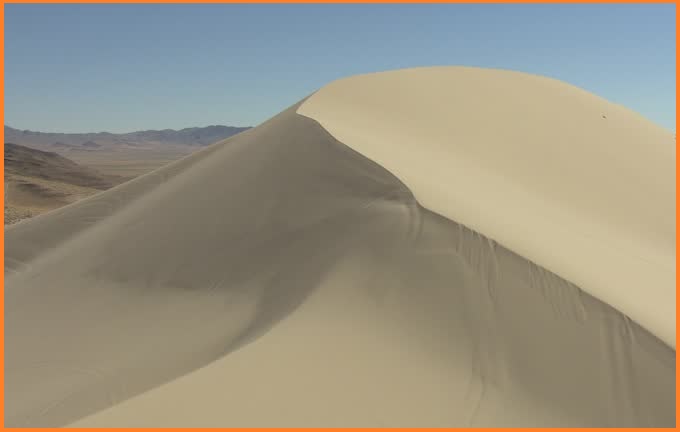
Valley of the Moon, Argentina, is made up of a variety of distinct landmarks, including salt flats, volcanoes, and lakes. It hosts many dunes, rock formations, caves, dried-up lakes, escarpments, and salty plains, which give this land a moonscape appearance.
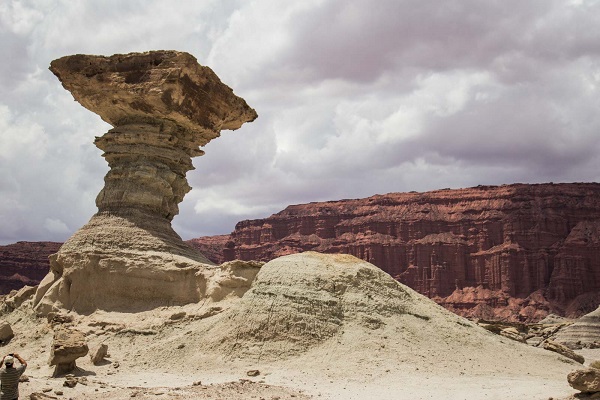
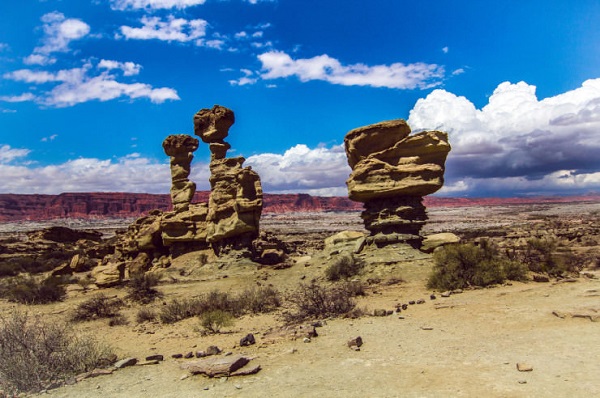
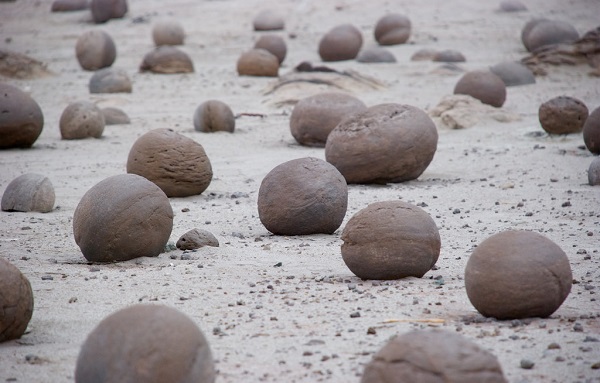
The formations resulted from centuries of water and wind erosion carved in 6 different rock types. Formations like “The Worm”, “Painted Valley”, “The Sphinx”, “The Bowling Field”, “The Submarine”, “The Mushroom”, and “Red Ravines” can be found in this terrain.
A sunset visit atop an elevated dune will allow you to observe the entire valley sparkling in pink and gold.
Ischigualasto Provincial Park
Ischigualasto Provincial Park, also known as Valle de la Luna (“Valley of the Moon” or “Moon Valley”), is a provincial protected area in the north-east of San Juan Province, limited to the north by the Talampaya National Park, in La Rioja Province. Both areas belong to the same geological formation, the Ischigualasto Formation. Established on 3 November 1971, the park has an area of 60,370 ha. UNESCO included Ischigualasto and Talampaya National Park among its World Heritage Sites in 2000.
Valley of the Moon, Argentina, is a unique place due to its paleontological richness. This includes fossil remains of dinosaurs, plants, and reptiles from the Triassic period, which allows us to get closer to knowing the past of our planet. The sedimentary rock of different colours corresponds to the different eras, which mark the evolution of the Earth.
The erosion has generated different natural sculptures known as Geological landforms, which resemble various objects named The Sphinx, The Submarine, The Worm, and The Mushroom. Fossil remains, unique formation, and the lunar aspect of its soil sculpted over millions of years. It has an aspect that seems to be from another planet, and that is why Moon Valley, Argentina was recognized as a World Heritage Site. San Juan is a province with many tourist attractions that include natural beauty, cultural circuits, adventure tourism, religion, and astronomy, among others.
How to reach the Valley of the Moon, Argentina
Valle de la Luna, or Valley of the Moon, Argentina, is located in an isolated area, where there are no services for the traveller. Visitors are required to make a base in one of the nearby towns to travel from there. Ischigualasto Provincial Park is located 273 kilometres away from the capital city of San Juan. The closest airports to Valle de la Luna are La Rioja and San Juan.
Also read- Geotourism and Modern Geotechniques
Autumn (March-June) and spring (September-December) are the best times to reach the Valley of the Moon, Argentina. During these periods, the temperatures are pleasant and moderate. Summer is extremely hot and rainy for visiting the site.
Sources- UNESCO, Welcomeargentina,